History Curriculum/Book 2
Book two of the curriculum
The History of the Age of Exploration
The second book in the curriculum. Twenty chapters across five weeks, from Norse ships on the Newfoundland coast to Champlain founding Quebec, told from the logs, letters and chronicles of the people who sailed.
Read the book
Turn the pages of both editions right here. Age of Exploration is a members’ book: subscribers and Adventure Box Course families read every page.
🔒 A members’ book — Living History 334 pages. Subscribe, or buy an Adventure Box, to read it.
5 Weeks, 20 Chapters, Choose 10+ to Read
Pick the chapters you want to read each week. The living books and the sources are one click away.
Pick two or more of these chapters to read. Finish two of the ones you choose to open Week 2.
K–5th Grade
6th–8th Grade
The Norse Record
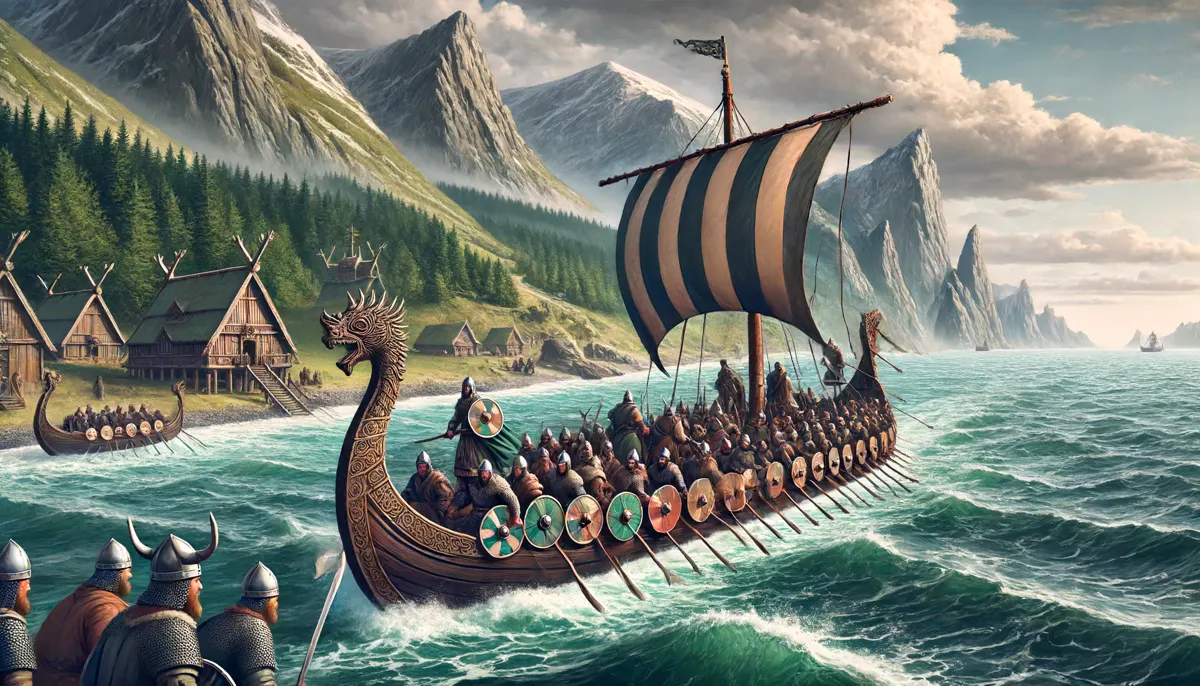
- The Saga of the Greenlanders (Grænlendinga Saga)c. 13th centuryThe account of Leif Erikson's voyage to Vinland, written down in Iceland about two centuries after the voyages from the family traditions of the settlers' descendants.
- The Saga of Erik the Red (Eiríks saga rauða)c. 13th centuryComplements the Greenlanders Saga with detail on Leif's conversion, the settlements, and the voyage of Thorfinn Karlsefni and Gudrid.
- Gesta Hammaburgensis Ecclesiae PontificumAdam of Bremen, c. 1075The earliest surviving written mention of Vinland, which Adam heard of from King Svein of Denmark.
- The Vinland Map and the Tartar Relation Yale University LibraryHeld at Yale. In 2021 the library's conservation scientists found the map's ink contains a titanium compound first made in the 1920s, and Yale now catalogues the map as a modern forgery.
Columbus in His Own Hand
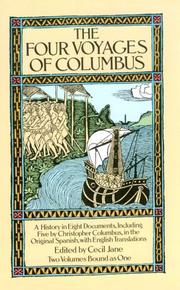
- The Diario of Christopher Columbus's First Voyage, 1492–1493 trans. Oliver Dunn and James E. KelleyThe daily log of the first voyage, preserved in the abstract Bartolomé de las Casas made from it, with long passages in Columbus's own words.
- Letter to Luis de Santángel, 1493 Christopher ColumbusColumbus's report of the first voyage, written on the homeward crossing in February 1493 and printed in Barcelona that spring; editions followed in Rome, Paris and Basel.
- The Book of Privileges, 1502Christopher ColumbusCertified copies of the titles, offices and rights Ferdinand and Isabella granted him, which he had assembled in 1502 before his fourth voyage.
Cabot, and the Problem of No Papers
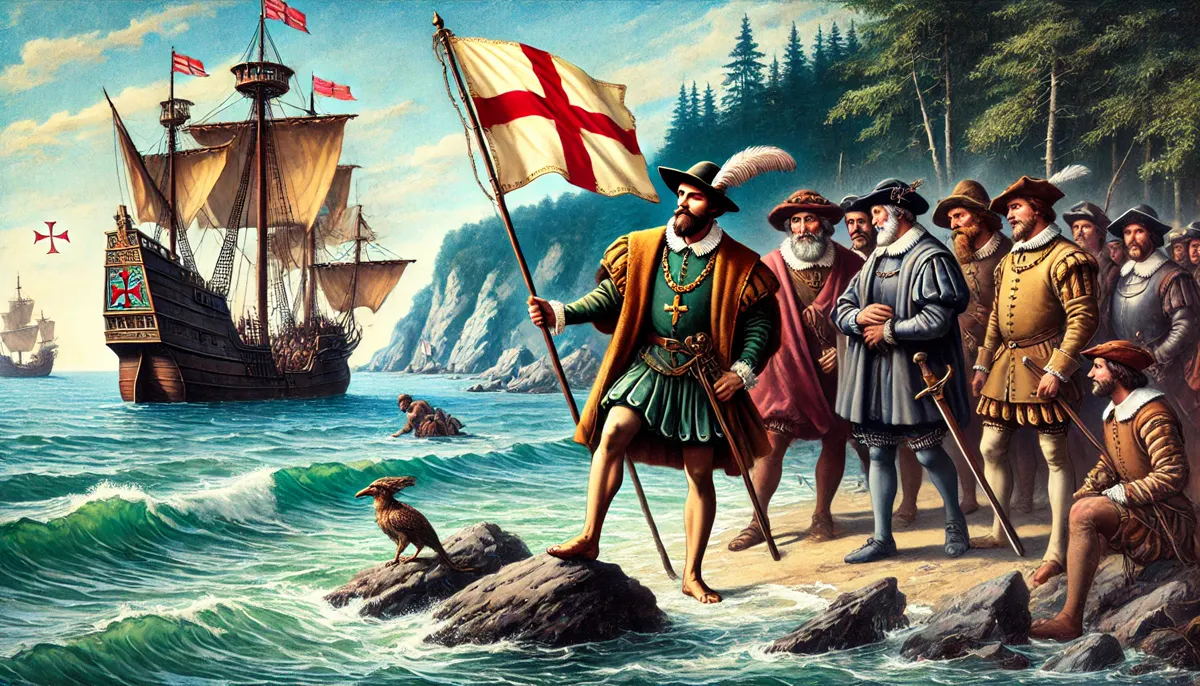
- Letter of Lorenzo Pasqualigo, 1497Venetian merchant in London"He planted the banner of England and took possession for the king." Written from London in August 1497, days after Cabot's return.
- Letter of Raimondo di Soncino to the Duke of Milan, 1497Milanese ambassadorAn account of Cabot's landfall and his dealings with the people he met.
- The Voyages of John Cabot and the English Discovery of North Americaed. James WilliamsonCollects the letters, royal grants and Bristol customs records that describe Cabot's voyages, including John Day's letter to Columbus.
Archives to Search Yourself
- Internet Medieval Sourcebook Fordham UniversityColumbus's letters, the Viking sagas, early diplomatic reports.
- British History Online Institute of Historical ResearchEarly English exploration records and letters.
- Project Gutenberg Columbus, the Saga of Erik the Red and much else, free and full-text.
Pick two or more of these chapters to read. Finish two of the ones you choose to open Week 3.
K–5th Grade

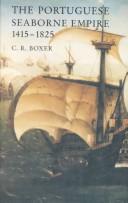
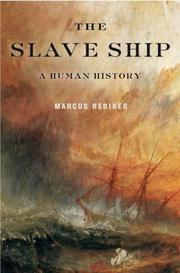
Dividing a World on Paper
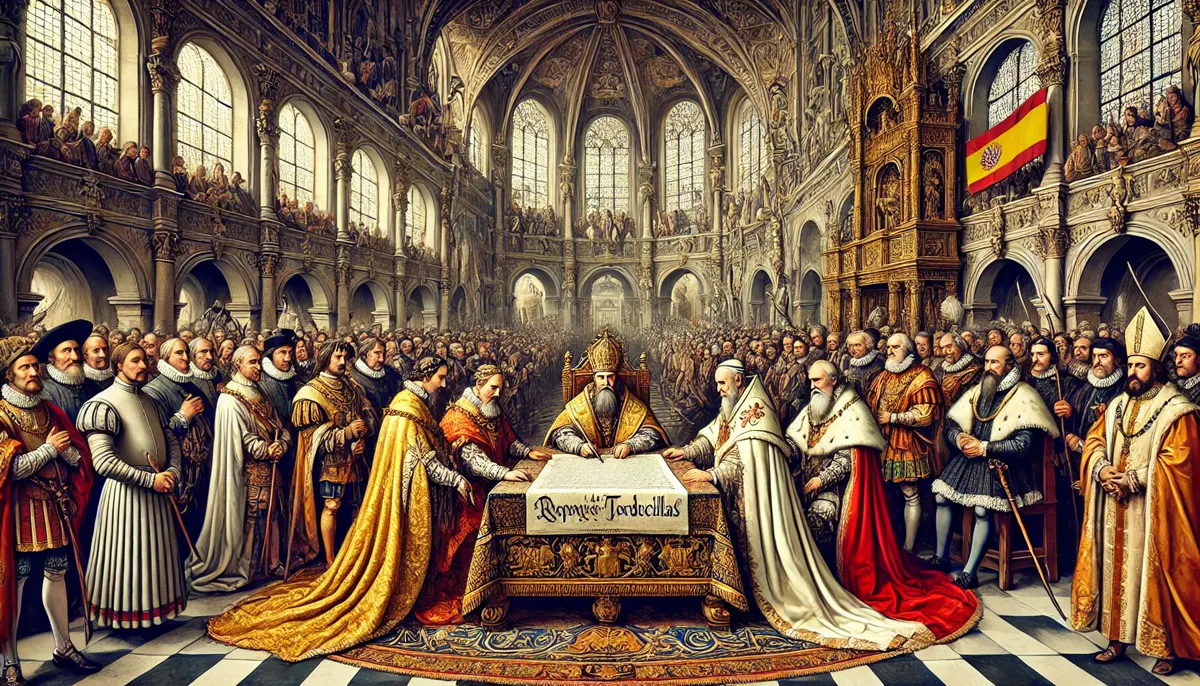
- Treaty of Tordesillas, 1494 Spain and PortugalSpain and Portugal agreed a line 370 leagues west of the Cape Verde Islands: newly found lands west of it would be Spain's, and east of it Portugal's.
- Capitulations of Santa Fe, 1492 Ferdinand and Isabella with ColumbusThe agreement of 17 April 1492 naming Columbus admiral, viceroy and governor of any lands he found, with a tenth of the profit from them.
- Dum Diversas (1452) and Romanus Pontifex (1455)Papal bullsPope Nicholas V's bulls granting King Afonso V of Portugal authority to conquer the Saracens and pagans of the African coast, take their lands and reduce them to servitude, and confirming Portugal's monopoly of that trade.
Vespucci and Cabral
- Mundus Novus, 1503 Amerigo VespucciThe printed letter to Lorenzo di Pierfrancesco de' Medici that called these lands a new world, since none of them had been known to the ancients.
- Letters from a New World: Amerigo Vespucci's Discovery of Americatrans. Luciano FormisanoVespucci's letters in English, including the manuscript letters he wrote to the Medici from Seville and Lisbon.
- Carta de Pero Vaz de Caminha, 1500 Pero Vaz de Caminha, Cabral's scribeThe first Portuguese description of Brazil, written to King Manuel I — its people, plants and animals, by a man seeing them for the first time.
Florida and the Chroniclers
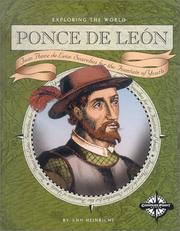
- Historia General y Natural de las IndiasGonzalo Fernández de OviedoThe royal chronicler on Ponce de León's Florida voyage and the people he met there.
- DécadasAntonio de Herrera y TordesillasThe royal chronicler's history of the Castilians in the Indies, printed 1601–1615 and compiled from the crown's papers.
- A Land So StrangeAndrés ReséndezNot a primary source — a modern narrative that gives the Florida expeditions their context.
Slavery Before the Atlantic
- The Code of Hammurabi c. 1754 BCAmong the earliest written law codes, with laws on the buying, selling and freeing of slaves.
- Politics AristotleBook One sets out Aristotle's argument that some men are slaves by nature.
- Laws PlatoOn the place of slaves in Greek society and law.
- Siete Partidascompiled under Alfonso X of Castile, 13th centuryThe Castilian legal code on slaveholding and manumission — the law the Spanish brought with them.
- Documents Illustrative of the History of the Slave Trade to Americaed. Elizabeth DonnanThe documentary record of the trade itself.
Pick two or more of these chapters to read. Finish two of the ones you choose to open Week 4.
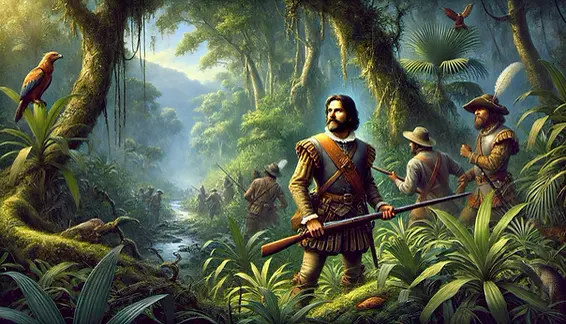
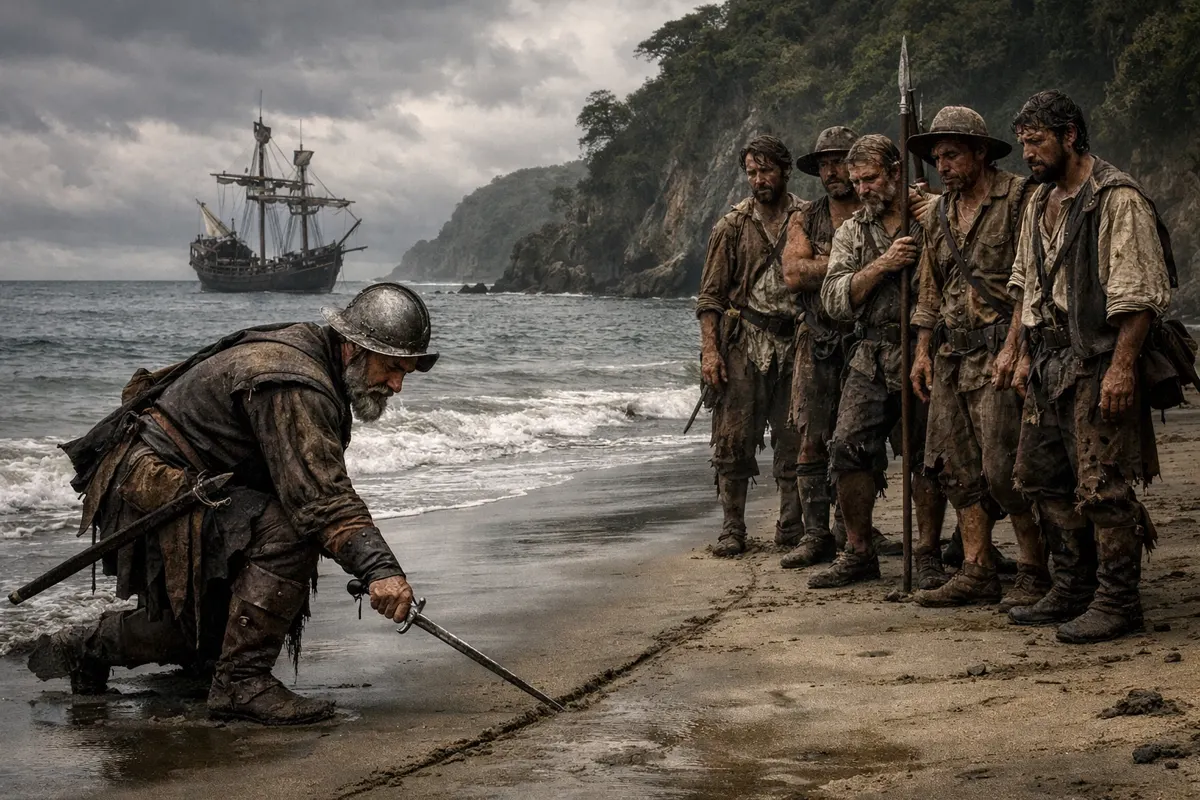
K–5th Grade
6th–8th Grade
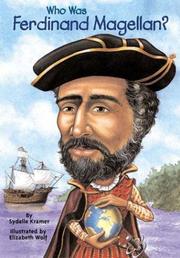
The Voyage Round the World
- The First Voyage Around the World, 1524 Antonio PigafettaThe most detailed eyewitness account of Magellan's circumnavigation, by a man who survived it. Of about 270 who set out, 18 came home.
- Magellan's Voyage: A Narrative Account of the First Circumnavigationtrans. R. A. SkeltonThe standard modern edition of Pigafetta.
Mexico, from Both Sides
- Cartas de Relación, 1519–1526 Hernán CortésFive letters to Charles V describing Tenochtitlán, Moctezuma's court and the campaigns of 1519–1526.
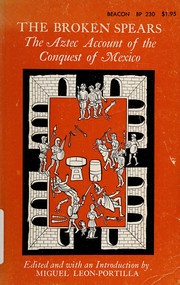
- The Broken Spearscomp. Miguel León-PortillaNahuatl accounts of the same events, from the Florentine Codex and other Mexica records, in English.
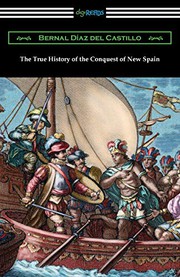
- The Conquest of New SpainBernal Díaz del CastilloThe account of a soldier who served through the whole conquest, written in Guatemala in his old age.
The Maya Record
- Relación de las Cosas de Yucatán, 1566 Diego de LandaThe fullest early description of Maya religion, ritual, calendar and writing, by the Franciscan who became bishop of Yucatán.
- The Books of Chilam BalamMaya, post-conquestMaya texts written after the conquest that preserve older tradition and prophecy. Use a scholarly edition such as Ralph Roys's.
Peru and the Inca
- Verdadera Relación de la Conquista del Perú, 1534 Francisco de XerezPizarro's secretary, present at Cajamarca.
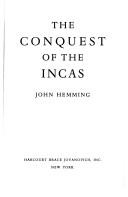
- Crónica del Perú, c. 1553Pedro Cieza de LeónA Spanish soldier's description of Inca government, roads, storehouses and religion, from travels through the Andes in the 1540s.
- Comentarios Reales de los Incas, 1609Garcilaso de la VegaWritten by the son of a Spanish captain and an Inca noblewoman. One of the very few accounts from inside both worlds.
Pick two or more of these chapters to read. Finish two of the ones you choose to open Week 5.
K–5th Grade
6th–8th Grade

Charters and Propaganda
- The First Charter of Virginia, 1606 King James IAuthorised the Virginia Company to colonise. Sets out settler rights, land grants, and the stated aims of Christianisation and wealth.
- Principal Navigations, Voyages, Traffiques and Discoveries of the English Nation Richard Hakluyt, 1589–1600The great compilation of English voyages, gathered from the travellers' own reports, letters and logs.
Drake
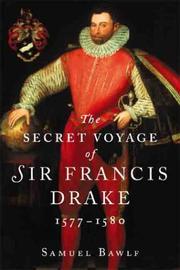
- The World Encompassed by Sir Francis Drake, 1628 comp. Francis FletcherThe chaplain who sailed with Drake on the circumnavigation.
- Drake's letter to Elizabeth I, 1587Sir Francis DrakeOn the raid at Cádiz — the "singeing of the King of Spain's beard".
Raleigh and Roanoke
- The Discovery of Guiana, 1596 Sir Walter RaleighRaleigh's account of his 1595 voyage up the Orinoco in search of the golden city of Manoa.
- The Letters of Sir Walter RaleighNational Archives, UKHis letters from court, from the Tower of London, and from his last voyage to Guiana.
Jamestown
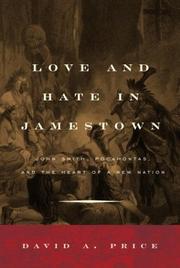
- The Proceedings of the English Colonie in Virginia, 1612 Edward Maria Wingfield and othersOne of the first official reports: starvation, leadership fights, and relations with the Powhatan.
- The Generall Historie of Virginia, New England, and the Summer Isles, 1624 Captain John SmithSmith's history of Virginia, including his account of Pocahontas saving his life in 1607.
- The Starving Time, 1609–1610 Records of the Virginia CompanyLetters and reports from the winter that nearly ended the colony.
Hudson
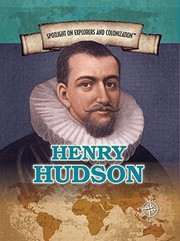
- The Third Voyage of Henry Hudson, 1609 Robert JuetHudson's shipmate on the Halve Maen, up the river that now carries Hudson's name.
- Purchas His Pilgrimes, 1625Samuel PurchasCarries the account of the 1611 mutiny, when Hudson was put over the side in a small boat and never seen again.
Pick two or more of these chapters to read.
K–5th Grade
6th–8th Grade
The Coast Described
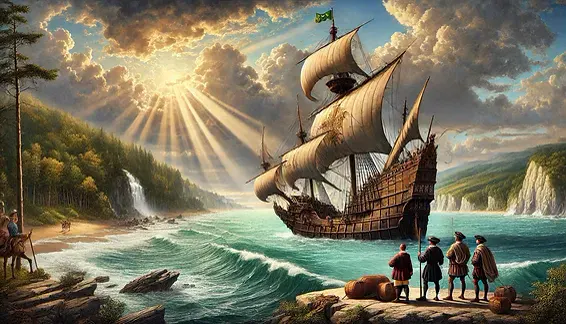
- Letter to King Francis I, 8 July 1524 Giovanni da VerrazzanoThe first known European description of the east coast of the present United States, from the Carolinas to Newfoundland — including entering New York Bay.
The St Lawrence
- Relation originale du voyage de Jacques Cartier au Canada en 1534 Jacques CartierThe first detailed European account of the Gulf of St Lawrence, and of Stadacona and Hochelaga — today's Quebec City and Montreal.
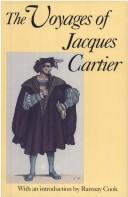
- The Voyages of Jacques Cartiertrans. H. P. Biggar, Public Archives of CanadaThe standard English edition. This is where the name "Canada" enters the record, from the Iroquoian word kanata, a village.
Champlain's New France
- Des Sauvages, 1603Samuel de ChamplainHis first account of the St Lawrence and its peoples.
- Les Voyages, 1604–1632Samuel de ChamplainExploration, alliance with the Huron and Algonquin, the fur trade, the founding of Quebec — and the fighting with the Haudenosaunee that followed from those alliances.
- Champlain's maps of New France, 1612 and 1632 Samuel de ChamplainAmong the earliest accurate depictions of north-eastern North America, drawn by hand from his own surveys.
The Colony as an Institution
- Charter of the Company of One Hundred Associates, 1627 Cardinal RichelieuSet up to run French colonisation: permanent settlement, the conversion of the Native nations, and the fur trade.
- The Jesuit Relations and Allied Documents, 1610–1791 Jesuit missionariesAnnual reports sent to France by Jesuit missionaries living among the Wendat and other Native nations.
What comes with the book
The Ultimate Guide
The textbook itself — the twenty chapters these lessons are built from.
Living History
Age of Exploration — Told By Those Who Were There. The Heroes & Villains series, in the first person.
The Adventure Box
Cards, lesson plans, activities, coloring pages and the craft kit for this era.