History Curriculum/Book 16
Book sixteen of the curriculum
The History of the U.S. Civil War
The sixteenth book in the curriculum and the last of the ten Early American books. Seventeen chapters across four weeks — from the compromises and the debates of the 1850s, through the election of 1860 and the winter in which seven states left the Union, the bombardment of Fort Sumter, the first battles and the generals who fought them, Shiloh and Antietam and the Emancipation Proclamation, the Pacific Railway Act and the Homestead Act, Mexico's victory at Puebla on 5 May 1862, the Black soldiers and sailors of the Union, Gettysburg and Vicksburg, the home front and the women who nursed the armies, the spies of both sides, Grant against Lee from the Wilderness to Petersburg, Sherman from Atlanta to Savannah, an election held in the middle of a war, the blockade and the ironclads, the fall of Richmond and the surrender at Appomattox, and the night at Ford's Theatre and what followed it. TWO THINGS TO KNOW BEFORE YOU START. First, the first-person accounts in both printed editions are HISTORICAL FICTION — written to tell the story, built on the surviving record, and not the words of the people named. That matters here because this war left more paper than any before it: the Official Records of the Union and Confederate Armies and Navies in 158 volumes, the secession conventions' declarations, both presidents' messages, the letters between Grant and Lee at Appomattox, soldiers' diaries and letters home, and the words of enslaved and freed people in their own narratives, in the Freedmen's Bureau records and in the interviews taken down in the 1930s. You can check almost everything in this book, and this course tells you where. Second, at the back of the Ultimate Guide, after the seventeen chapters, there are Cross-Curricular sections — Math, Science, English and a set of Testing pages — to use alongside this course. They are not a fifth week and there is nothing to hand in for them.
Read the book
Turn the pages of both editions right here. Civil War is a members’ book: subscribers and Adventure Box Course families read every page.
🔒 A members’ book — Living History 345 pages, Standard Book 404 pages. Subscribe, or buy an Adventure Box, to read it.
4 Weeks, 17 Chapters, Choose 7+ to Read
Pick the chapters you want to read each week. The living books and the sources are one click away.
Pick two or more of these chapters to read. Finish two of the ones you choose to open Week 2.
K–5th Grade
6th–8th Grade
9th–12th Grade
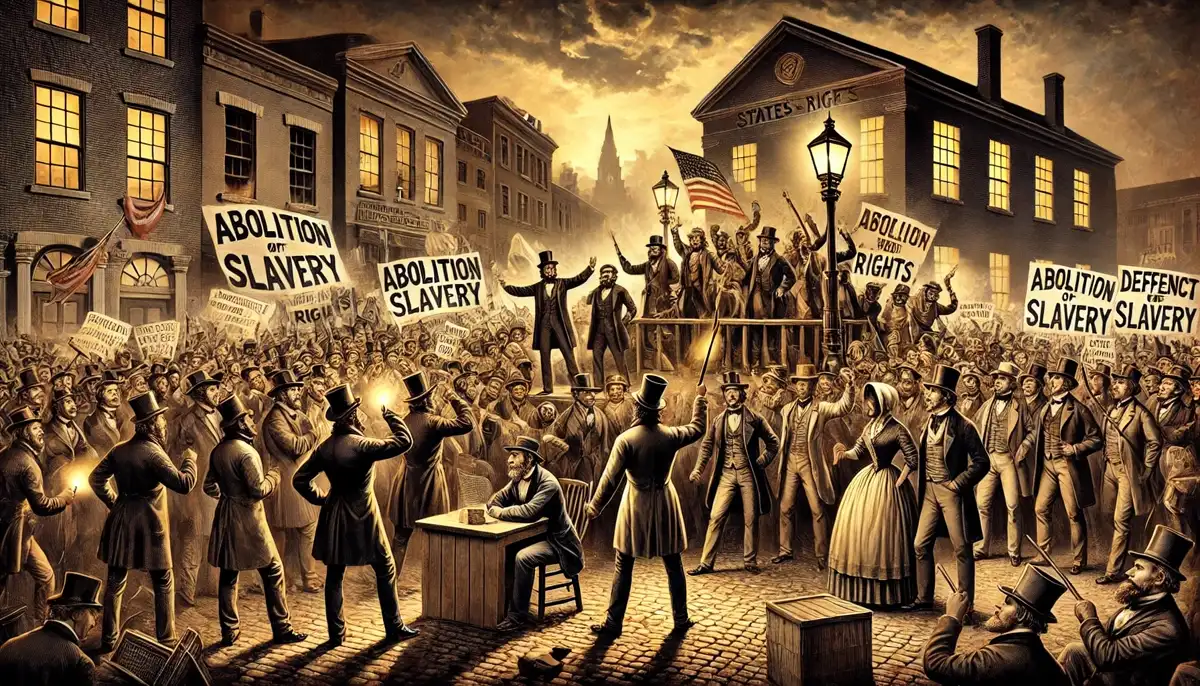
The Compromises Break, and the Reasons Given
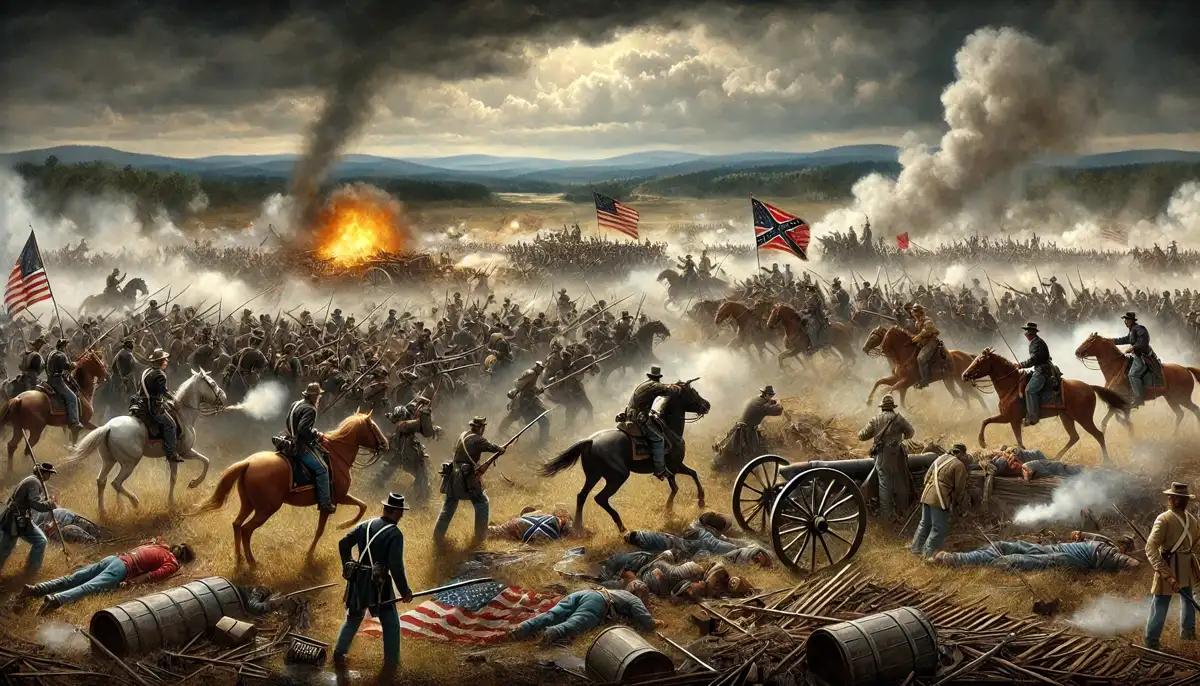
- The Kansas–Nebraska Act approved 30 May 1854Find the sentence that declares the Missouri Compromise line "inoperative and void", and read the reason the act gives: "not to legislate slavery into any Territory or State, nor to exclude it therefrom", but to leave the people "perfectly free" to decide, "subject only to the Constitution of the United States". That is popular sovereignty in the law's own words.
- Declaration of the Immediate Causes Which Induce and Justify the Secession of South Carolina from the Federal Union adopted 24 December 1860 (the ordinance itself 20 December 1860)The first seceding state explains itself. It argues from the Constitution and the compact of the states, and it names its grievance: "an increasing hostility on the part of the non-slaveholding States to the institution of slavery". Read the whole of it and list every reason it gives; Mississippi, Georgia and Texas published declarations of their own.
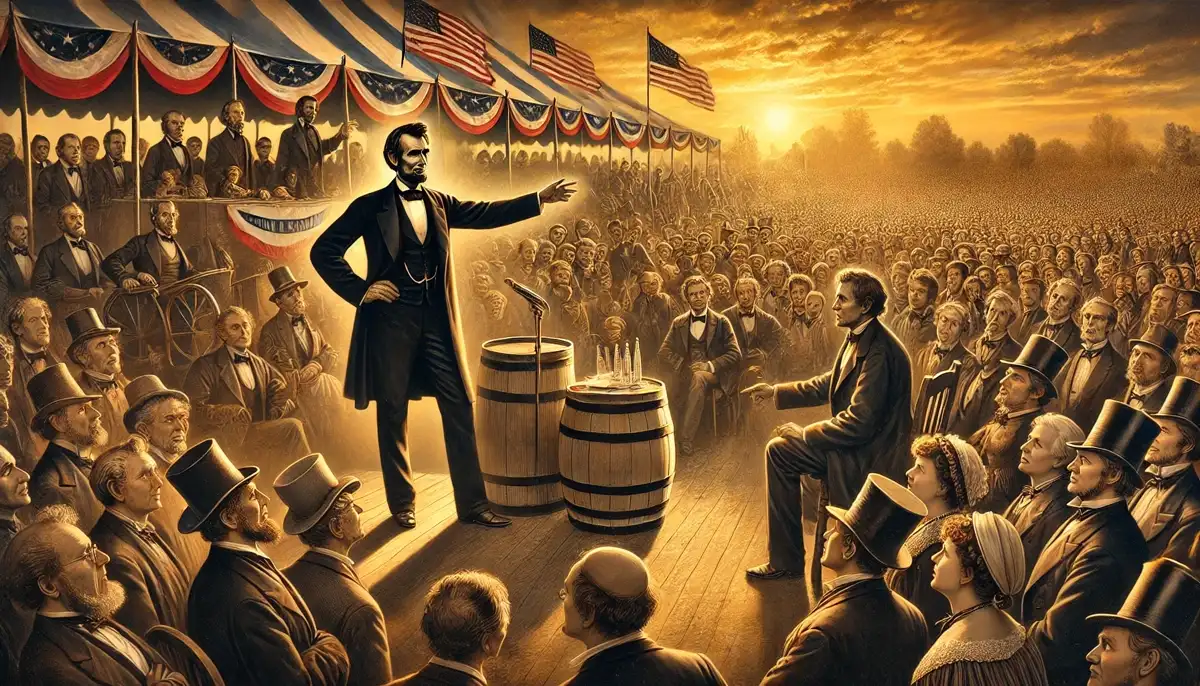
- Jefferson Davis, Inaugural Address as President of the Provisional Government of the Confederate States Montgomery, 18 February 1861The Confederacy's case in its president's words: the Union was a compact that the states could leave, and the new government is "anxious to cultivate peace and commerce with all nations". Read it beside Lincoln's inaugural two weeks later — two presidents, each claiming the Constitution.
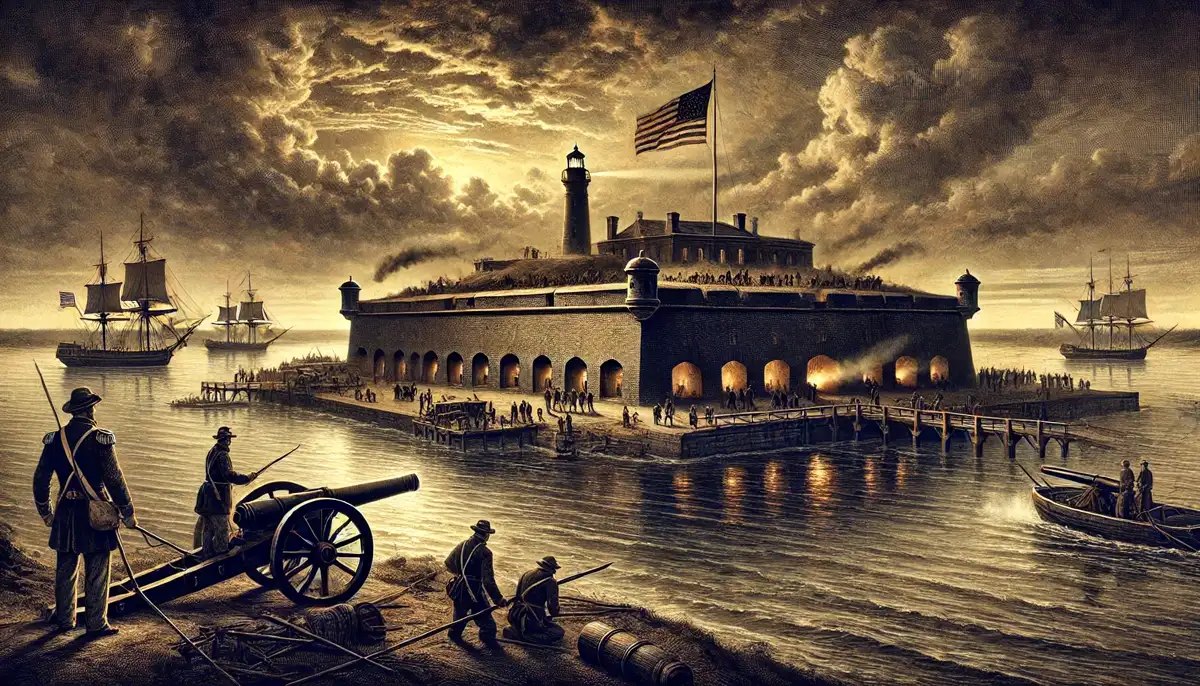
Fort Sumter and the Call to Arms
- Abraham Lincoln, First Inaugural Address 4 March 1861Lincoln to the seceded states, a month before Sumter: "I have no purpose, directly or indirectly, to interfere with the institution of slavery in the States where it exists." Then the ending, "the better angels of our nature". Note what he says he will do about the forts and what he says he will not do.
- Official Records of the Union and Confederate Armies, Series I, Volume 1: Operations in Charleston Harbor (Anderson's and Beauregard's reports) Washington: Government Printing Office, 1880; reports of April 1861BOTH COMMANDERS' REPORTS IN ONE VOLUME. Anderson's telegram from the Baltic, 18 April 1861: "Having defended Fort Sumter for thirty-four hours, until the quarters were entirely burned …". Beauregard's reports from Charleston follow, with those of his battery commanders. Read one from each side about the same thirty-four hours.
- Lincoln's Proclamation 80, calling forth the militia and convening Congress 15 April 1861The day after the surrender, Lincoln calls out "the militia of the several States of the Union to the aggregate number of 75,000" against "combinations too powerful to be suppressed" in seven states. Virginia, Arkansas, Tennessee and North Carolina left the Union after it; find the dates.
1862: Antietam, Freedom and the Rails West
- Official Records, Series I, Volume 19, Part 1: the Maryland Campaign (McClellan's and Lee's reports) Washington: Government Printing Office, 1887; reports of September 1862 onwardAntietam from both headquarters. McClellan's telegram from near Sharpsburg on 29 September 1862 reports "some of the results of the battles of South Mountain and Antietam"; Lee's reports of the campaign, from September 1862, are in the same volume. Compare how each commander describes the same day, 17 September.
- The Emancipation Proclamation 1 January 1863 (preliminary proclamation 22 September 1862)Read exactly whom it frees: persons held as slaves in states or parts of states "in rebellion against the United States", declared "then, thenceforward, and forever free". Then read the paragraph that opened the army and navy: such persons "will be received into the armed service of the United States". Which places does it list as exempt?
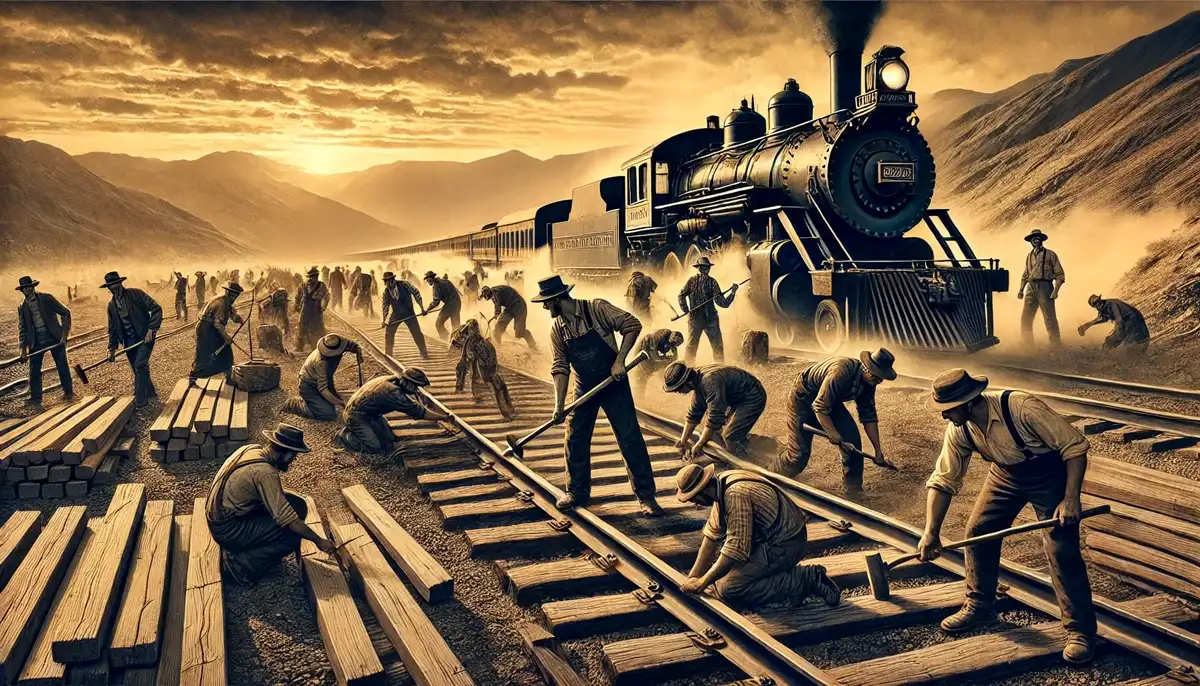
- The Pacific Railway Act 1 July 1862Congress, at war, charters a railroad and telegraph line "from the Missouri River to the Pacific Ocean". Find the land grants along the line and the government bonds lent to the companies for each mile built, and note which states' senators were no longer in Congress to vote on the route.
Pick two or more of these chapters to read. Finish two of the ones you choose to open Week 3.
K–5th Grade
6th–8th Grade
9th–12th Grade
Puebla, Paris and Washington
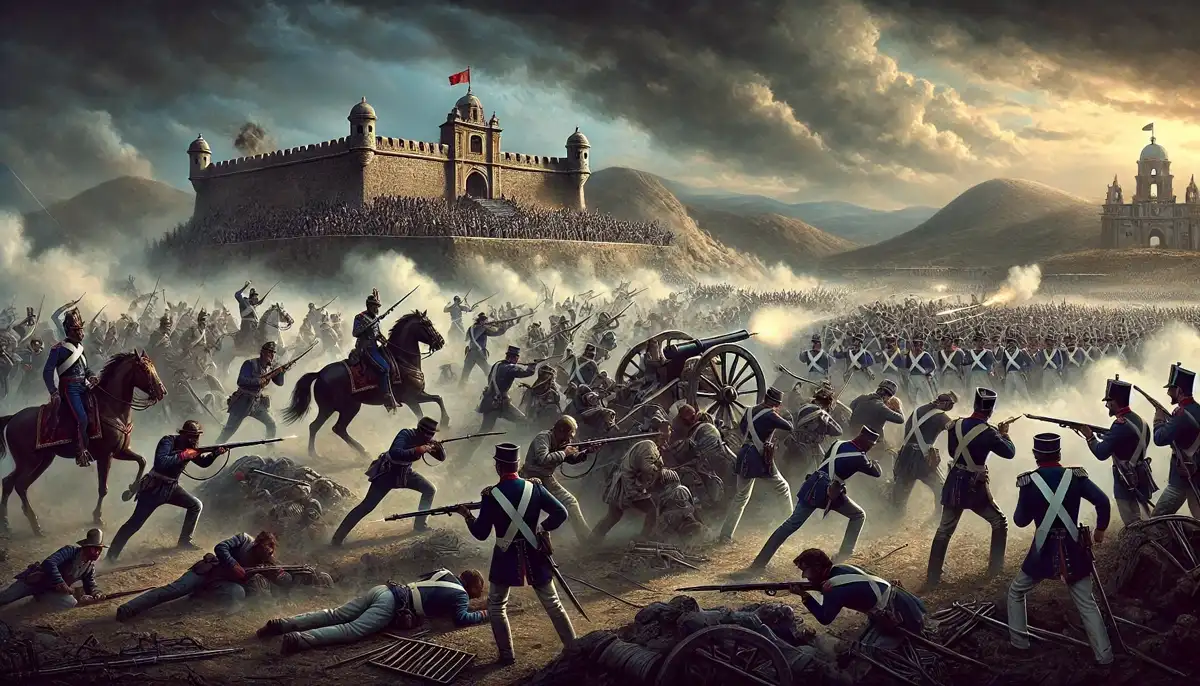
- General Ignacio Zaragoza's telegram to the Minister of War from Puebla (INEHRM, Documento 8) 5 May 1862, received in Mexico City at 5.49 p.m.THE VICTORY REPORTED ON THE DAY, in Spanish: "Las armas del Supremo Gobierno se han cubierto de gloria" — the arms of the Supreme Government have covered themselves with glory. Zaragoza reports three French assaults on the Cerro de Guadalupe repulsed, estimates the French loss at 600 to 700 killed and wounded and his own at about 400, and says he lacks the force to attack. Those numbers are his estimate on the evening of the battle.
- Thomas Corwin (U.S. minister in Mexico) to William H. Seward, Papers Relating to Foreign Affairs, 1862, document 586 Mexico, 28 April 1862The American minister's report a week before Puebla: the three allies of the Convention of London "differed as to the proper construction of a clause in the treaty of London", and the English and Spanish commissioners were in conference with the Mexican foreign minister while the French went on alone. This is the record for what Spain and Britain did in April 1862: they withdrew.
- William H. Seward to the Marquis de Montholon (French minister in Washington), Papers Relating to Foreign Affairs, 1865, part 3, document 452 Washington, 6 December 1865The United States' position once its own war was over. Seward writes that "the real cause of our national discontent is, that the French army which is now in Mexico is invading a domestic republican government there which was established by her people". Compare it with Seward's instruction to Corwin of 10 May 1862 in the 1862 series (document 587), when he told him to suspend any act of recognition of a new regime.
Soldiers, Sailors, Laundresses and Teachers
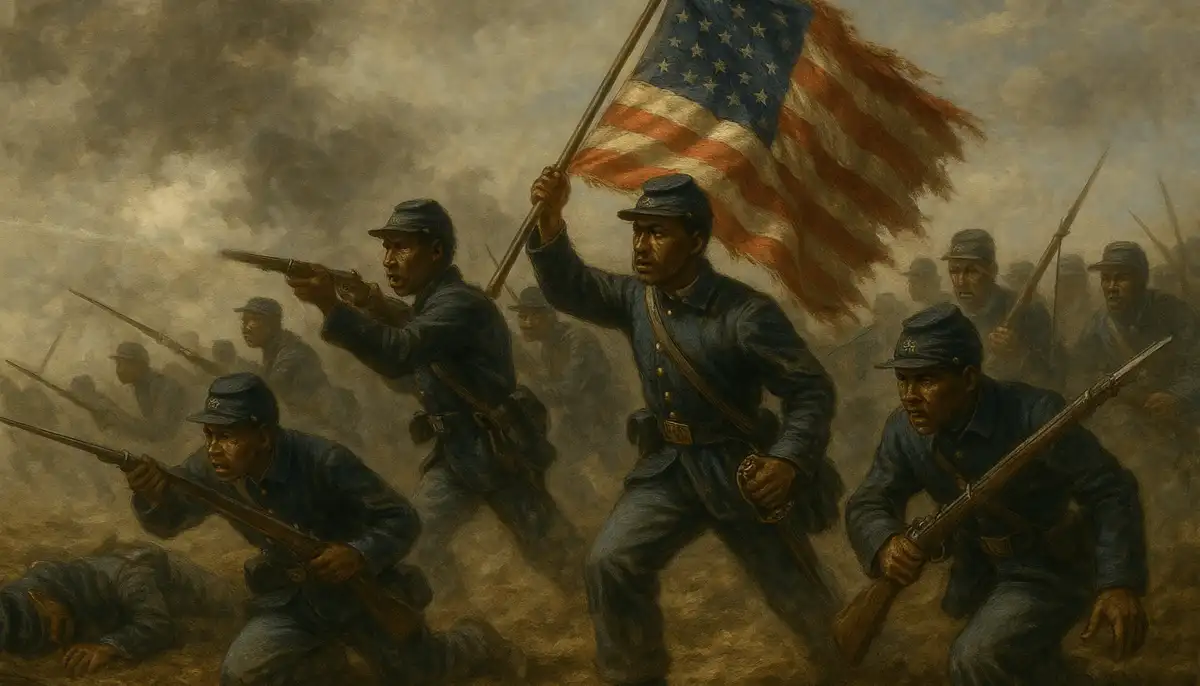
- War Department General Order No. 143 (the Bureau of Colored Troops) 22 May 1863The order that organized Black regiments nationally: "A Bureau is established in the Adjutant General's Office for the record of all matters relating to the organization of Colored Troops." Read the rules for officers' examinations and note who was to command the regiments.
- Frederick Douglass, "Men of Color, To Arms!" (American Antiquarian Society transcription) Rochester, March 1863 (Douglass' Monthly)Douglass's recruiting call for the 54th Massachusetts: "When first the rebel cannon shattered the walls of Sumter and drove away its starving garrison, I predicted that the war then and there inaugurated would not be fought out entirely by white men." Two of his sons, Lewis and Charles, enlisted in the regiment.
- Susie King Taylor, Reminiscences of My Life in Camp with the 33d United States Colored Troops, Late 1st S. C. Volunteers Boston: the author, 1902A wartime memoir by a Black woman who served with a regiment. Born enslaved in Georgia in 1848 and taught to read in secret in Savannah, she writes of Camp Saxton: "I was enrolled as laundress". She also taught the soldiers to read. Written nearly forty years after the war, from memory.
Gettysburg, and a Spy in Washington
- The Gettysburg Address, "Nicolay copy" (Library of Congress transcription) 19 November 1863One of the two drafts in Lincoln's hand. The Library's page marks the differences from the Hay copy and notes that both differ from the later "Bliss" text usually printed. Compare the drafts word by word and see what changed.
- Official Records, Series I, Volume 27, Part 2: the Gettysburg Campaign (Lee's reports) Washington: Government Printing Office, 1889; Lee's detailed report dated January 1864, p. 313 ff.The Confederate commander's own account: "It had not been intended to deliver a general battle so far from our base unless attacked, but coming unexpectedly upon the whole Federal Army, to withdraw through the mountains with our extensive trains would have been difficult and dangerous." Part 1 of the same volume has Meade's reports; read one beside the other.
- Rose O'Neal Greenhow, My Imprisonment and the First Year of Abolition Rule at Washington London: Richard Bentley, 1863A Confederate agent's own account of her arrest at her Washington house in August 1861 — "The man Allen, or Pinkerton (for he had several aliases)" — and of her months in the Old Capitol Prison. It is her side, written for British readers while the war was on; Pinkerton's reports give the other.
Pick two or more of these chapters to read. Finish two of the ones you choose to open Week 4.
K–5th Grade
6th–8th Grade
9th–12th Grade
Grant Against Lee, From Both Headquarters
- Official Records, Series I, Volume 36, Part 2: Grant to Halleck from near Spotsylvania Court-House (p. 627) 8.30 a.m., 11 May 1864"We have now ended the sixth day of very heavy fighting." In the same dispatch Grant writes that he proposes to "fight it out on this line if it takes all summer", and gives his losses and the prisoners taken. The scan's text is damaged on this page; read the page image.
- Lee's Dispatches: Unpublished Letters of General Robert E. Lee, C.S.A., to Jefferson Davis and the War Department, 1862–65, ed. Douglas Southall Freeman New York: G. P. Putnam's Sons, 1915 (letters of May–June 1864)Lee's reports to Davis during the same weeks, written from the field — from Verdiersville on 4 May 1864 and near Spotsylvania on 9 May. Read Lee's letter for a day and Grant's dispatch for the same day side by side.
- Robert Stiles, Four Years under Marse Robert New York and Washington: Neale, 1903 (the digitized copy is the third edition, 1904)A Confederate artillery major's memoir, with chapters on the Bloody Angle and "Cold Harbor of '64". It was written forty years later and from one side; its value is what one officer saw from inside Lee's lines.
Sherman's March, in Three Voices
- Dolly Lunt Burge, A Woman's Wartime Journal entries of November 1864; published New York: The Century Co., 1918A widow's diary kept on her plantation near Covington, Georgia, as Sherman's army passed. On 19 November 1864: "But like demons they rush in! My yards are full." Read also what she records about the people she held in slavery, and what they did when the army came.
- Minutes of an interview between the colored ministers and church officers at Savannah with the Secretary of War and Major-General Sherman (Freedmen and Southern Society Project) Savannah, 12 January 1865Twenty Black ministers and church officers answer questions put by Stanton and Sherman. Their spokesman, Garrison Frazier, 67, had bought his own and his wife's freedom: "The way we can best take care of ourselves is to have land, and turn it and till it by our own labor." Four days later Sherman issued his field order.
- Sherman's Special Field Orders No. 15 (Freedmen and Southern Society Project) 16 January 1865The sea islands and the abandoned rice lands along the rivers south of Charleston set apart for the freed people, each family to have "not more than (40) forty acres of tillable ground". Read on what title the land was to be held; President Johnson's pardons later restored most of it to its former owners.
Ballots and the Blockade
- Republican (National Union) Party Platform of 1864 Baltimore, 7 June 1864The party renominating Lincoln calls for a constitutional amendment that "shall terminate and forever prohibit the existence of Slavery", holding that "slavery was the cause, and now constitutes the strength of this Rebellion".
- Democratic Party Platform of 1864 Chicago, 29 August 1864The convention that nominated McClellan declared that "after four years of failure to restore the Union by the experiment of war" there should be "a cessation of hostilities". McClellan's letter of acceptance, written after it, would not accept that plank. Atlanta fell on 2 September, between this platform and the vote in November.
- Lincoln's Proclamation 81, declaring a blockade of the ports of the rebellious states 19 April 1861The blockade begins five days after Sumter: "a competent force will be posted so as to prevent entrance and exit of vessels from the ports aforesaid". Follow how many ships the Union navy needed to make that true along some 3,500 miles of coast.
Pick at least one of these chapters to read.
K–5th Grade
6th–8th Grade
9th–12th Grade
Richmond, Appomattox and the Last Orders
- Lincoln's Second Inaugural Address 4 March 1865Seven hundred words, a month before Richmond fell. "Both read the same Bible and pray to the same God, and each invokes His aid against the other." It ends "With malice toward none, with charity for all". Note what the address says about the cause of the war.
- Official Records, Series I, Volume 46, Part 1: the Appomattox Campaign (the Grant–Lee letters and Lee's General Orders No. 9) Washington: Government Printing Office, 1894; letters of 7–9 April 1865, order of 10 April 1865The surrender in the letters themselves: Grant's terms of 9 April — officers to give "their individual paroles not to take up arms against the Government of the United States until properly exchanged", officers' side-arms, horses and baggage excepted — and Lee's farewell: "After four years of arduous service, marked by unsurpassed courage and fortitude, the Army of Northern Virginia has been compelled to yield to overwhelming numbers and resources."
- Personal Memoirs of U. S. Grant (Project Gutenberg text of the first edition) New York: Charles L. Webster & Co., 1885–86Finished in the weeks before Grant died in July 1885. Of the meeting in the McLean parlour: "What General Lee's feelings were I do not know." Of Cold Harbor: "I have always regretted that the last assault at Cold Harbor was ever made." A memoir written twenty years after, by one side's commander.
The Last Speech, the Manhunt and the Trial
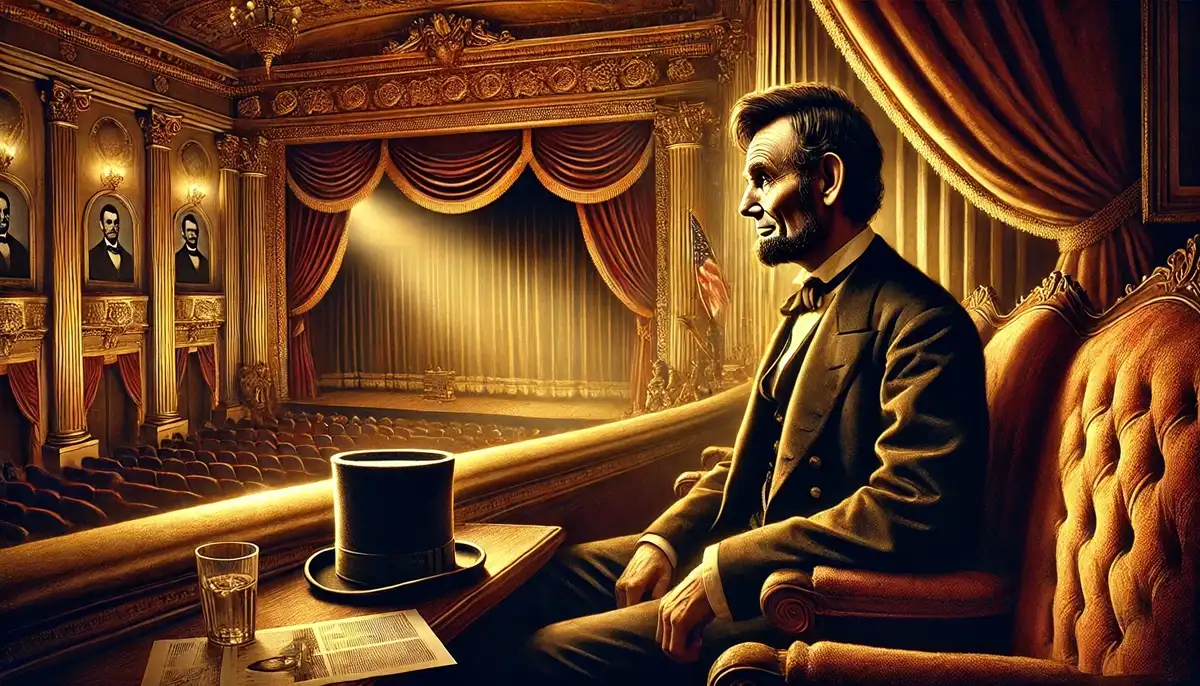
- Lincoln, "The President's Last Public Address" 11 April 1865Two days after Appomattox, from a White House window: "We meet this evening not in sorrow, but in gladness of heart." He speaks about Louisiana's new government and says of the vote: "I would myself prefer that it were now conferred on the very intelligent, and on those who serve our cause as soldiers." Three days later he was shot at Ford's Theatre.
- War Department broadside, "$100,000 reward! The murder[er] of our late beloved president, Abraham Lincoln, is still at large" Washington, 20 April 1865The government's poster for John Wilkes Booth, John H. Surratt and David E. Herold, with photographs of all three. Booth was killed on 26 April and Herold taken the same morning; Surratt escaped abroad and was tried only in 1867, when the jury could not agree.
- Benn Pitman, comp., The Assassination of President Lincoln and the Trial of the Conspirators Cincinnati and New York: Moore, Wilstach & Baldwin, 1865The record of the military commission of May–June 1865, compiled by its official recorder: the testimony, the arguments of counsel for the accused, the reply of the special judge advocate, and the findings and sentences for eight defendants. Read the defence as well as the prosecution; both are printed.
Freedom Written Into Law, and Remembered
- The Thirteenth Amendment (House Joint Resolution, 38th Congress) passed by Congress 31 January 1865; ratified 6 December 1865"Neither slavery nor involuntary servitude, except as a punishment for crime whereof the party shall have been duly convicted, shall exist within the United States, or any place subject to their jurisdiction." Ratification came eight months after Lincoln's death.
- Act establishing a Bureau for the Relief of Freedmen and Refugees (copy in the Abraham Lincoln Papers) 3 March 1865The Freedmen's Bureau law as it reached the President's files, endorsed by William Hunter of the State Department. The Bureau's own records — labour contracts, marriage registers, schools, complaints — are in the National Archives as Record Group 105, and many record the freed people's own words.
- Federal Writers' Project, Slave Narrative Project, Vol. 15, Tennessee, Batson–Young interviews taken 1936–1938THESE ARE 1930s INTERVIEWS: men and women who had been children in slavery, questioned about seventy years later by writers employed by the government, who wrote the answers down in their own spelling. Read them as what they are — memory, taken down by someone else — and they are the largest body of testimony from the people slavery held.
What comes with the book
The Ultimate Guide
The textbook itself — the seventeen chapters these lessons are built from.
Living History
The Ultimate Guide to Civil War — Told By Those Who Were There. The Heroes & Villains series, in the first person.
The Adventure Box
Cards, lesson plans, activities, coloring pages and the craft kit for this era.