History Curriculum/Book 13
Book thirteen of the curriculum
The History of the Melting Pot of the United States
The thirteenth book in the curriculum and the ninth of the Early American set. Eighteen chapters across four weeks, and each week is a different set of people arriving in, or already living in, the same country. WEEK ONE is slavery and the African American melding — where the trade came from, how colonial law turned servitude into a hereditary status, how people resisted it, what the Northwest Ordinance did about it, and how abolition grew. WEEK TWO is Native America — the cultures that were here first, the loss of land, the treaties made with a new federal government, and what survived. WEEK THREE is religion — the colonies founded on it, two great awakenings, the churches in the Revolution, and the faiths that were born here. WEEK FOUR is immigration — who came, why they left, what the law did about them, and what the country argued about. TWO THINGS TO KNOW BEFORE YOU START. First, the first-person accounts in both printed editions are HISTORICAL FICTION — written to tell the story, built on the surviving record, and not the words of the people named. That matters more in this book than in any other in the course, because its narrators are enslaved people, Native leaders and immigrants, and several of them left real testimony you can read instead: Olaudah Equiano wrote a book, Frederick Douglass wrote three, Sarah Winnemucca wrote a memoir, Phillis Wheatley published poems and letters, and Omar ibn Said wrote his life in Arabic in North Carolina in 1831. Second, at the back of the Ultimate Guide, after the eighteen chapters, there are Cross-Curricular sections — Math, Science, English and a set of Testing pages — to use alongside this course. They are not a fifth week and there is nothing to hand in for them; they are there to be used while you work through the four weeks.
Read the book
Turn the pages of both editions right here. Melting Pot is a members’ book: subscribers and Adventure Box Course families read every page.
🔒 A members’ book — Living History 352 pages, Standard Book 384 pages. Subscribe, or buy an Adventure Box, to read it.
4 Weeks, 18 Chapters, Choose 8+ to Read
Pick the chapters you want to read each week. The living books and the sources are one click away.
Pick two or more of these chapters to read. Finish two of the ones you choose to open Week 2.
K–5th Grade
6th–8th Grade
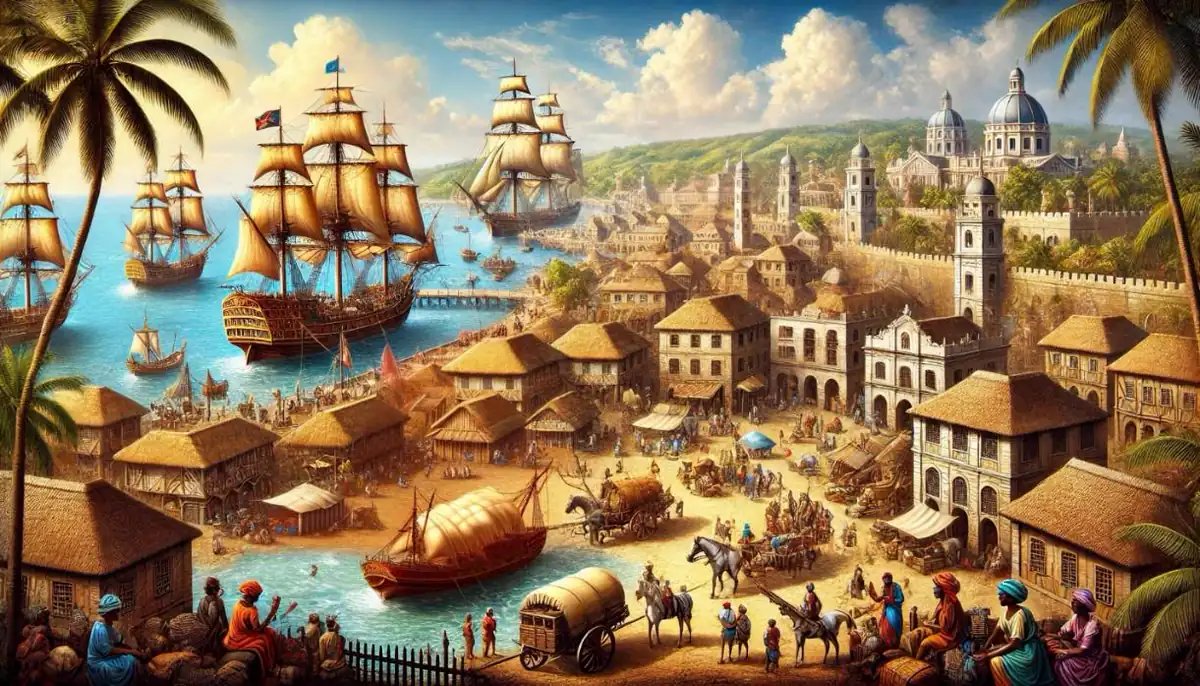
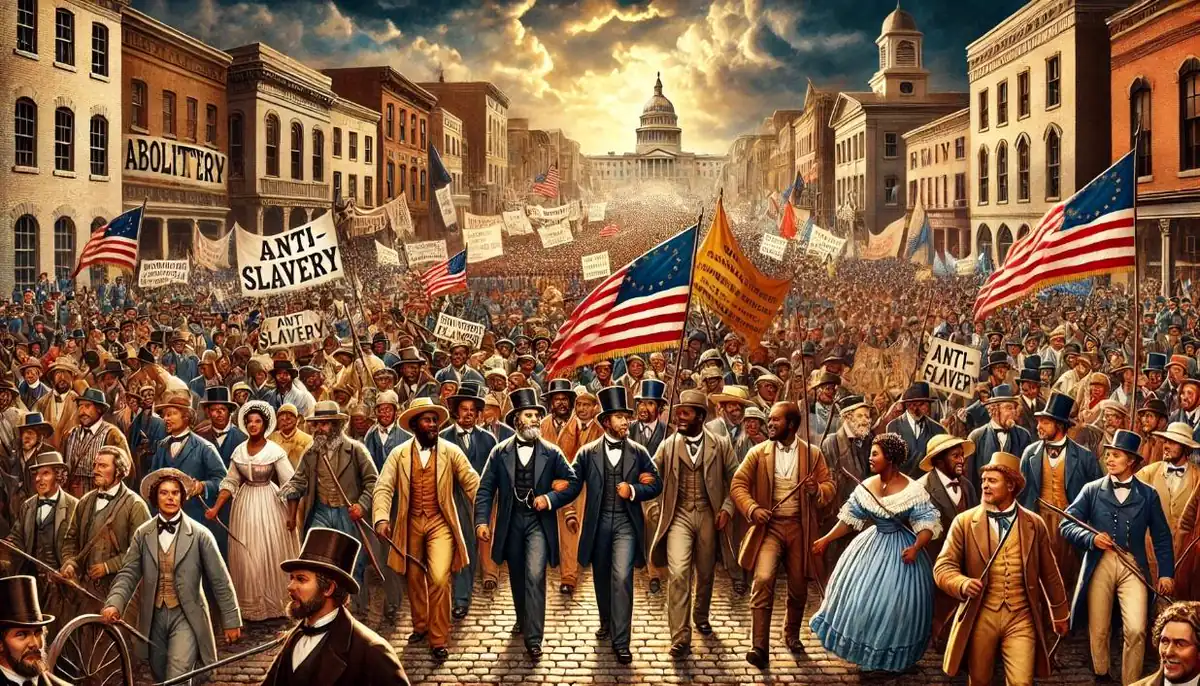
The Trade, and How Anybody Knows Its Size
- The Trans-Atlantic Slave Trade Databasea scholarly database, in progress since the 1960s and online since 1999THE REASON ANY NUMBER IN THIS WEEK CAN BE GIVEN AT ALL. It is a searchable record assembled from ships' papers, customs returns, insurance records and port books of about 36,000 individual slaving voyages. It is where the figure of roughly 12.5 million people embarked and 10.7 million landed comes from, and it lets a student ask a question a textbook cannot answer — how many voyages went to which place in which decade. The Guide gives "12-15 million … with an additional 2 million dying during the voyage", which double-counts: the deaths are inside the 12.5 million, not added to it.
- Documents Illustrative of the History of the Slave Trade to America edited by Elizabeth Donnan, four volumes, 1930–1935The standard printed collection of the documents themselves — charters, instructions to captains, invoices, court papers. NAME THE EDITOR WHEN YOU USE IT. The Guide lists "Elizabeth Donnan (1736–1800)" as a British slave-ship owner who "financed voyages". Donnan was an American economics professor at Wellesley who lived from 1883 to 1955 and spent years assembling this edition. The person who gathered the evidence has been turned into one of the people the evidence is about.
- The letters of King Afonso I of Kongo to João III of Portugal1526Two letters from an African king to a European one, protesting that Portuguese traders were depopulating his kingdom and asking that the trade be limited to specific goods. They survive in the Portuguese archives, they are dated, and they are quotable. THE GUIDE FILES HIM UNDER "SUPPORTERS OF THE TRANSATLANTIC SLAVE TRADE" and then says in the same entry that he opposed it.
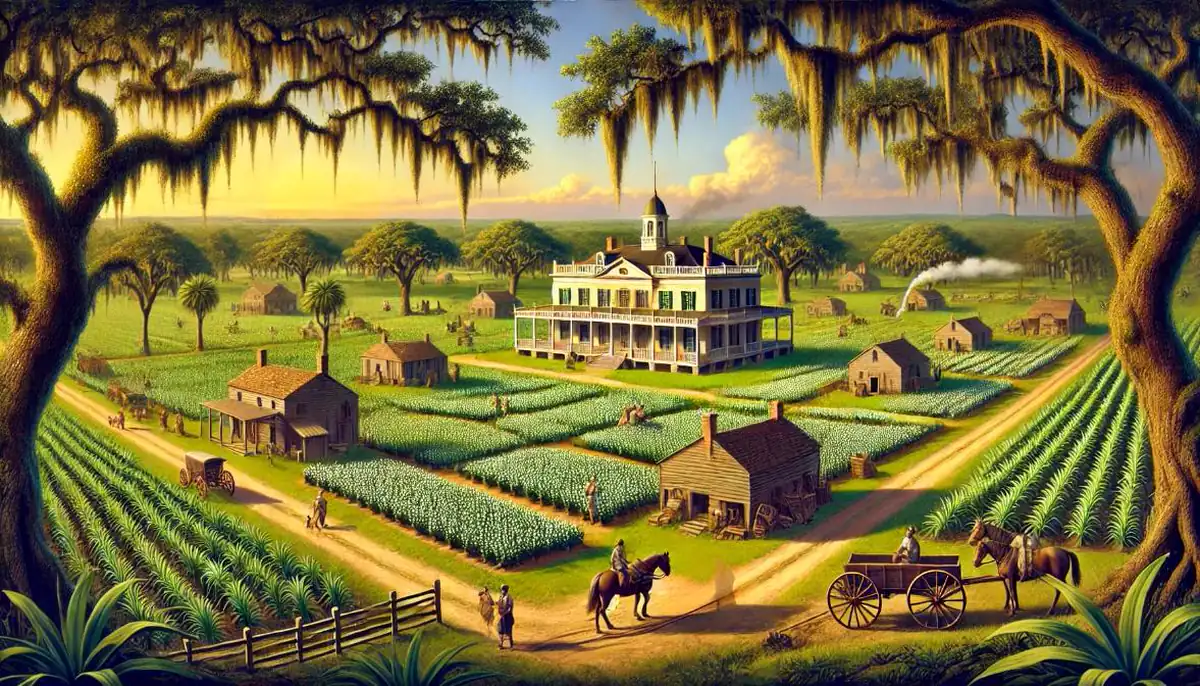
How Servitude Became Slavery, in Four Documents
- The Massachusetts Body of Liberties adopted December 1641The first legal sanction of slavery in an English colony in North America, and it is worth reading because of how it is phrased: liberty 91 forbids "bond slaverie, villinage or Captivitie" EXCEPT for "lawfull Captives taken in just warres, and such strangers as willingly selle themselves or are sold to us". A prohibition with an exception in it, and the exception is the whole law.
- The Northampton County court order in Johnson v. ParkerMarch 1655The case the Guide tells at length and tells accurately. Anthony Johnson, a free Black landowner who had himself come to Virginia in 1621 as a servant, sued to recover John Casor and the court held Casor "his Servant for life". It is one of the earliest civil judgments of lifelong servitude for an African in Virginia, and it was won by an African. The court papers are in the Northampton County records.
- Virginia's act of December 1662, partus sequitur ventrem Virginia General AssemblyTWELVE LINES THAT DID MORE THAN ANY OTHER TEXT IN THIS WEEK. It provides that children "shall be held bond or free only according to the condition of the mother", reversing English common law, which followed the father. It made slavery inheritable, and it made the children of enslaved women property regardless of who their fathers were. READ IT BESIDE ELIZABETH KEY'S CASE OF 1656, six years earlier, in which a woman won her freedom precisely because her father was English — the Guide describes both and never connects them.
- The Virginia Slave Code of 1705 "An act concerning Servants and Slaves"The consolidation: sixty-odd clauses gathering forty years of separate statutes into one racial code, defining enslaved people as real estate for purposes of inheritance, barring them from owning property, and removing penalty from an owner whose correction killed them. The Guide cites it correctly twice.
Resistance, and the Argument About It
- The Stono Rebellion reports and South Carolina's Negro Act of 1740 rising 9 September 1739; statute 1740An event and the law it produced, which is the clearest cause-and-effect pair in this week. About twenty enslaved people took arms near the Stono River and marched for Spanish Florida, where a 1693 edict offered freedom to fugitives from the English colonies. The colony's answer the following year restricted movement, assembly, and — the clause that matters most for the rest of this book — TEACHING AN ENSLAVED PERSON TO WRITE.
- The Confessions of Nat Turner taken down by Thomas R. Gray, Southampton County, November 1831The nearest thing to Turner's own account of the rising of 21–22 August 1831, and a document that has to be handled with both hands: it was written down by a white lawyer, in jail, days before the hanging, and published for sale. Everything in it passed through Gray. Use it, and say so. Virginia's legislature debated emancipation in the winter that followed and then passed the opposite — laws forbidding Black preaching and teaching.
- Walker's Appeal to the Coloured Citizens of the World David Walker, Boston, September 1829Seventy-six pages by a free Black man in Boston, arguing that enslaved people had a right to resist, and sewn into the lining of sailors' coats to reach southern ports. Southern states made possessing it a crime and Georgia is said to have put a price on him. He died in 1830. It is the most uncompromising American text of the decade and it is shorter than most people expect.
The Line at the Ohio, and the Arguments About Scripture
- The Northwest Ordinance adopted by the Confederation Congress, 13 July 1787SHORT ENOUGH TO READ IN TEN MINUTES, and two of its articles run through the rest of this book. ARTICLE VI: "There shall be neither slavery nor involuntary servitude in the said territory, otherwise than in the punishment of crimes whereof the party shall have been duly convicted" — and note the exception, which is the sentence the Thirteenth Amendment would reuse word for word in 1865. ARTICLE III promises that "the utmost good faith shall always be observed towards the Indians" and that their lands shall never be taken "without their consent", which is the promise week 2 is about. The Guide quotes Article VI accurately and paraphrases Article III without ever printing it.
- John Woolman's Journal and "Some Considerations on the Keeping of Negroes" Journal kept 1741–1772; "Considerations" published 1754 and 1762A New Jersey Quaker tailor who spent thirty years travelling to Friends' meetings arguing that owning people was incompatible with their faith, and who kept a record of doing it. He is the reason the Philadelphia Yearly Meeting moved from tolerating slaveholding to forbidding it. The Journal has never been out of print.
- The two scriptural arguments, side by sideused by both sides from the 1600s to 1865The Guide does this better than most textbooks and it is worth following. FOR: the so-called curse of Ham in Genesis 9 — note that the curse in the text falls on CANAAN, not on Ham, which is the whole difficulty with the argument; and the household codes in the epistles. AGAINST: Genesis 1:27, that God created mankind in his own image; the Exodus; and Deuteronomy 23:15, "If a slave has taken refuge with you, do not hand them over to their master", which is the verse the Fugitive Slave Act of 1850 put in direct conflict with federal law.
Pick two or more of these chapters to read. Finish two of the ones you choose to open Week 3.
K–5th Grade
6th–8th Grade
9th–12th Grade
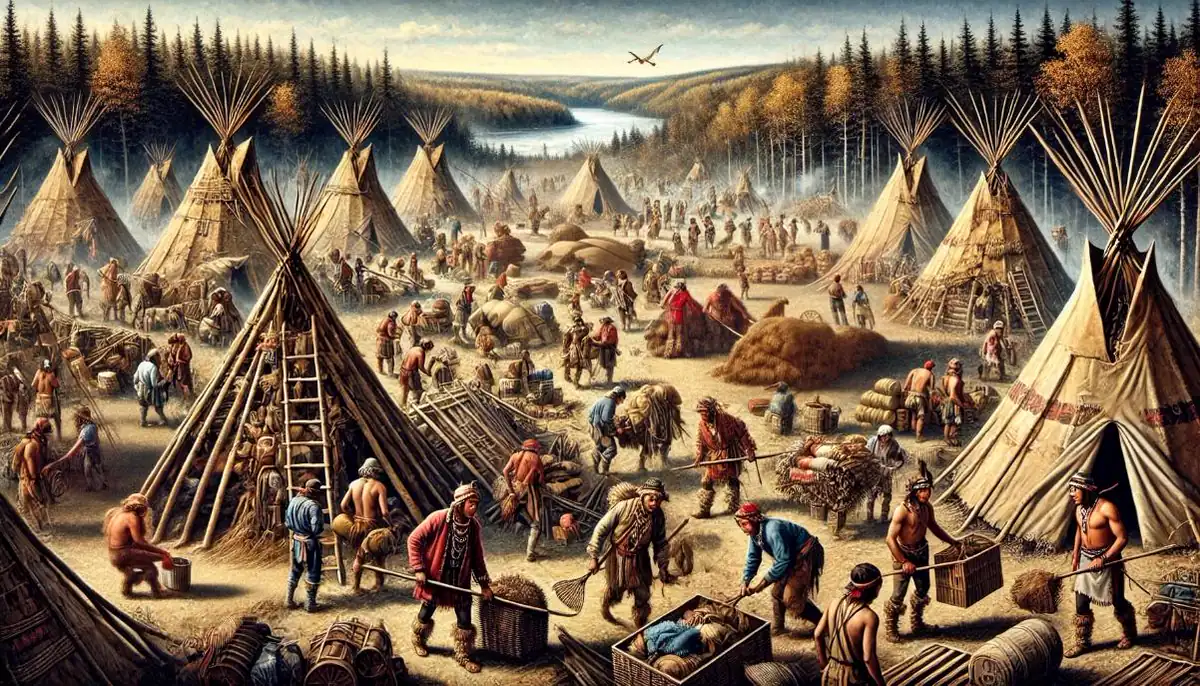
What Was Here First, and How It Is Known
- Cahokia: the site, and the excavation reportsoccupied c. 1050–1350; a UNESCO World Heritage site since 1982A city of earth across the river from present-day St Louis, with a central mound about a hundred feet high covering fourteen acres at its base, and a population that may have exceeded ten thousand. NOBODY WROTE ANY OF IT DOWN. Everything known comes from digging: post-holes, borrow pits, stockade lines, burials. It is the best case in this course for what archaeology can and cannot tell you — it can give you the size of a plaza and not the name of a single person who stood in it.
- The Great Law of Peace of the Haudenosaunee oral tradition, recorded in wampum and transcribed in the nineteenth and twentieth centuriesThe constitution of the Six Nations, held in memory and in shell-bead belts and recited rather than read. BE PRECISE ABOUT WHAT IT INFLUENCED. Benjamin Franklin's letter to James Parker of 20 MARCH 1751 admires the Six Nations' union and says it would be strange if "Six Nations of ignorant Savages" could form such a scheme "and yet that a like Union should be impracticable for ten or a dozen English Colonies". That letter is real and dated. The stronger claim that the Constitution was modelled on the Great Law was acknowledged by a concurrent resolution of Congress in 1988 and is disputed by historians. BOTH PRINTED EDITIONS STATE THE STRONG VERSION AS FACT.
- Bartolomé de las Casas, "A Short Account of the Destruction of the Indies" written 1542, printed 1552A Dominican who had himself held an encomienda in Hispaniola, describing what he had seen and arguing it to the Spanish crown. It is the Living edition's chapter 7 narrator, it is fierce, and it is a document with a date — which is the point. The New Laws of 1542 came out of the same argument, and so did the debate at Valladolid in 1550–51.
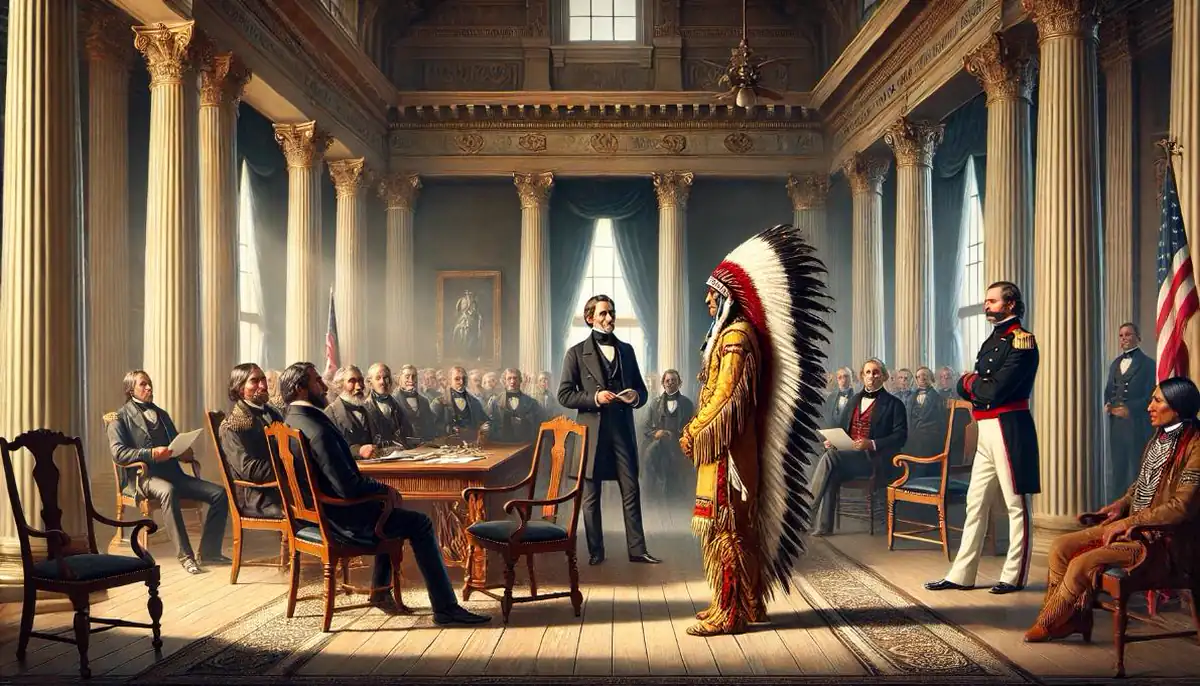
The Treaties, Which Are Public Documents
- The Treaty of Fort Pitt 17 September 1778, with the DelawareTHE FIRST TREATY BETWEEN THE UNITED STATES AND A NATIVE NATION, and the Guide never mentions it — it says twice that Fort Stanwix in 1784 was the first. Fort Pitt is remarkable for its sixth article, which contemplates the Delaware heading a state of the confederation with representation in Congress. That did not happen. It is one page.
- The two Treaties of Fort Stanwix 5 November 1768 and 22 October 1784TWO DIFFERENT TREATIES SIXTEEN YEARS APART, and the Guide uses the name for both without ever saying so. 1768 was made with Britain and moved the Proclamation line west down the Ohio. 1784 was made with the United States, was signed by men the Six Nations said had no authority to sign, and was repudiated by the Iroquois council.
- The Treaty of Greenville signed 3 August 1795The end of the Northwest Indian War, after the Wabash in 1791 — the worst defeat United States forces ever suffered at Native hands — and Fallen Timbers in 1794. The terms are specific and checkable: a boundary line across Ohio, a lump sum of $20,000 in goods and annuities of $9,500. The Guide gives both figures correctly.
- Article IX of the Treaty of Ghent signed 24 December 1814ONE ARTICLE WORTH THE WHOLE TREATY FOR THIS WEEK. It binds both the United States and Britain to restore to the Indian nations "all the possessions, rights, and privileges which they may have enjoyed or been entitled to in one thousand eight hundred and eleven". It was not enforced. THE GUIDE SAYS THE TREATY "IGNORED NATIVE INTERESTS" — it did not ignore them, it promised and then did nothing, which is a different and more teachable failure.
Removal, in the Government's Own Papers
- The Indian Removal Act signed 28 May 1830Two pages. Read what it actually authorises — the President may EXCHANGE land west of the Mississippi for land held in the east, and may pay for improvements. It says nothing about force. Everything that followed was done under treaties negotiated within it, which is why the Treaty of New Echota matters so much.
- The Treaty of New Echota and the Cherokee protest petition treaty signed 29 December 1835; ratified 23 May 1836; petition presented 1836The clearest documentary pairing in this book. A treaty ceding all Cherokee land east of the Mississippi, signed by a faction of perhaps twenty men with no authority from the Cherokee government, RATIFIED BY THE SENATE BY ONE VOTE MORE THAN THE TWO-THIRDS REQUIRED. Against it, a petition organised by Principal Chief John Ross carrying ABOUT FIFTEEN THOUSAND SIX HUNDRED NAMES, out of a nation of perhaps sixteen thousand people. Both documents are in the federal record. The Guide has both and gets both right.
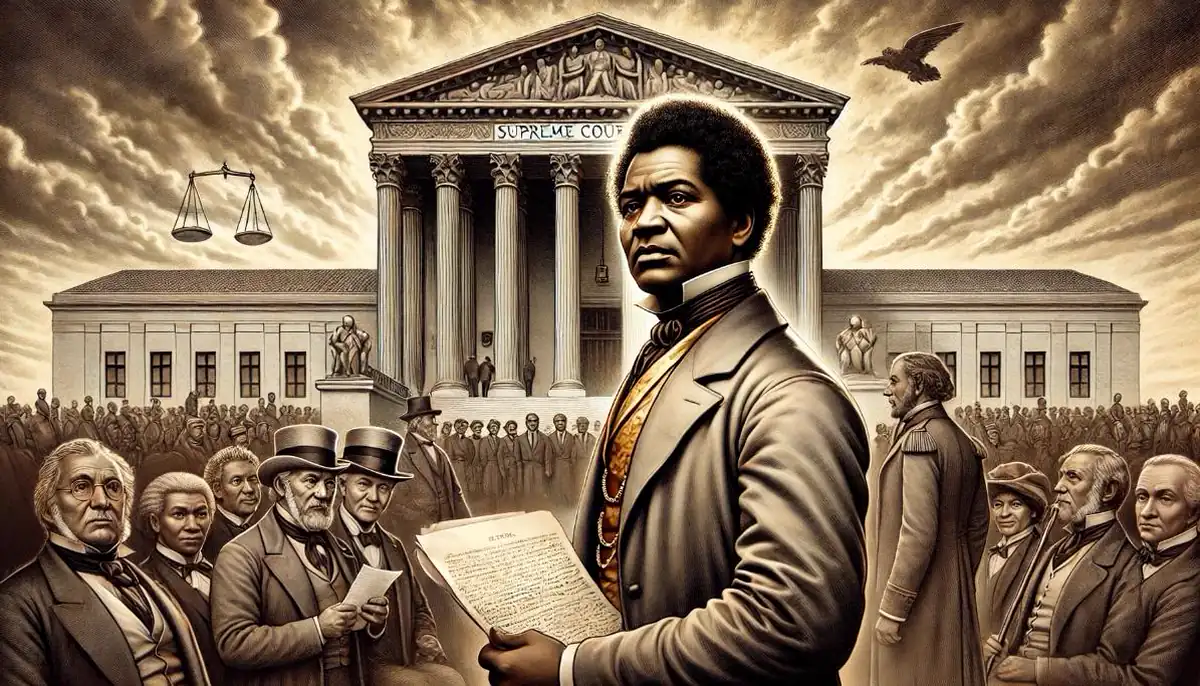
- Cherokee Nation v. Georgia and Worcester v. Georgia 30 U.S. 1 (1831) and 31 U.S. 515 (1832)Two decisions a year apart that go different ways and are constantly conflated. In 1831 Marshall held the Cherokee were not a foreign state but a "domestic dependent nation" and dismissed for want of jurisdiction. In 1832 he held Georgia's laws had no force in Cherokee territory. JACKSON'S "JOHN MARSHALL HAS MADE HIS DECISION; NOW LET HIM ENFORCE IT" IS APOCRYPHAL — it appears in Horace Greeley's book of 1864, thirty-two years later, and there was nothing for Jackson to enforce, because the judgment ran against Georgia. The Guide, to its credit, hedges it with "reportedly" both times it prints it.
What Survived, and in What Form
- The Cherokee syllabary and the Cherokee Phoenix syllabary completed about 1821; newspaper first printed 21 February 1828A man who could not read English worked out that the sounds of his language could be written with eighty-six characters, and within a few years a nation was printing a bilingual newspaper with them. The Phoenix files survive. This is the single best answer in the book to the question of what "civilisation" meant in the removal debate: the Cherokee met every criterion offered and were removed anyway.
- Sarah Winnemucca, "Life Among the Piutes: Their Wrongs and Claims" published 1883THE FIRST BOOK PUBLISHED IN ENGLISH BY A NATIVE AMERICAN WOMAN, by the Paiute interpreter and advocate who is the Living edition's chapter 9 narrator. She lectured across the country and petitioned Congress. When the Living edition puts words in her mouth, remember that her own are in print and free.
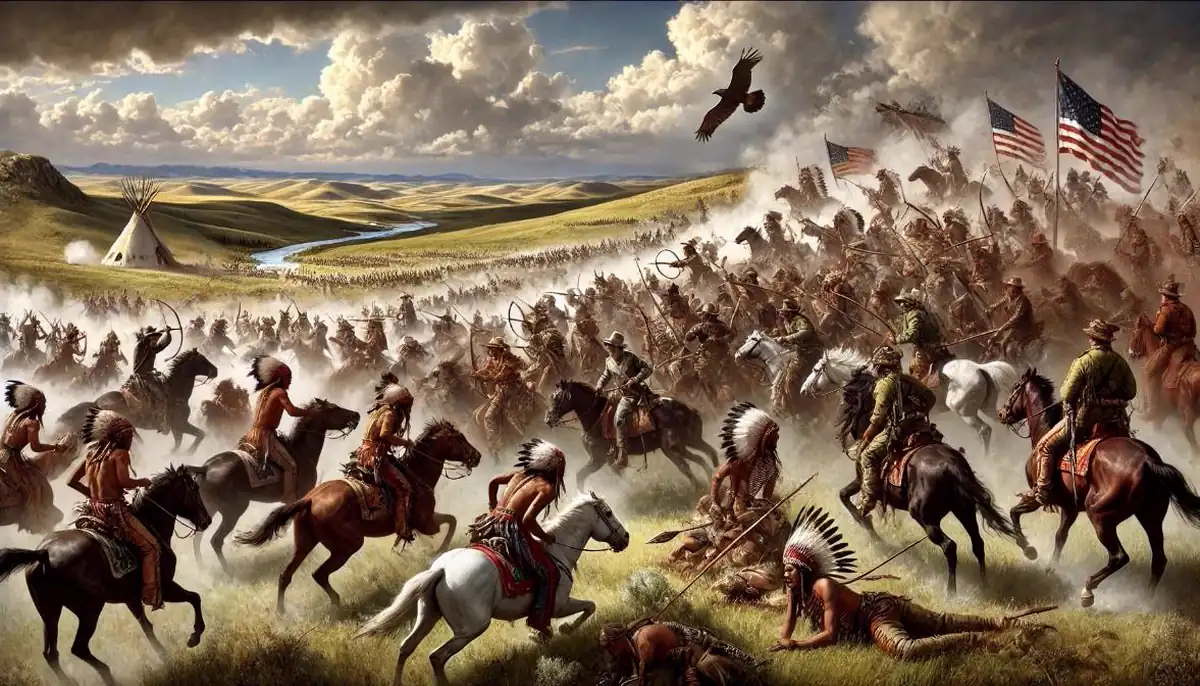
- The Wounded Knee record 29 December 1890The army's own reports, the investigation that followed, the Medals of Honor awarded, and the accounts taken from Lakota survivors afterwards. Read them together and the disagreement is the lesson. The Ghost Dance that preceded it came from WOVOKA, a Northern Paiute, after a vision he dated to the solar eclipse of 1 JANUARY 1889 — a date that can be checked against an astronomical table, which is a rare thing in this subject.
Pick two or more of these chapters to read. Finish two of the ones you choose to open Week 4.

K–5th Grade
6th–8th Grade
9th–12th Grade
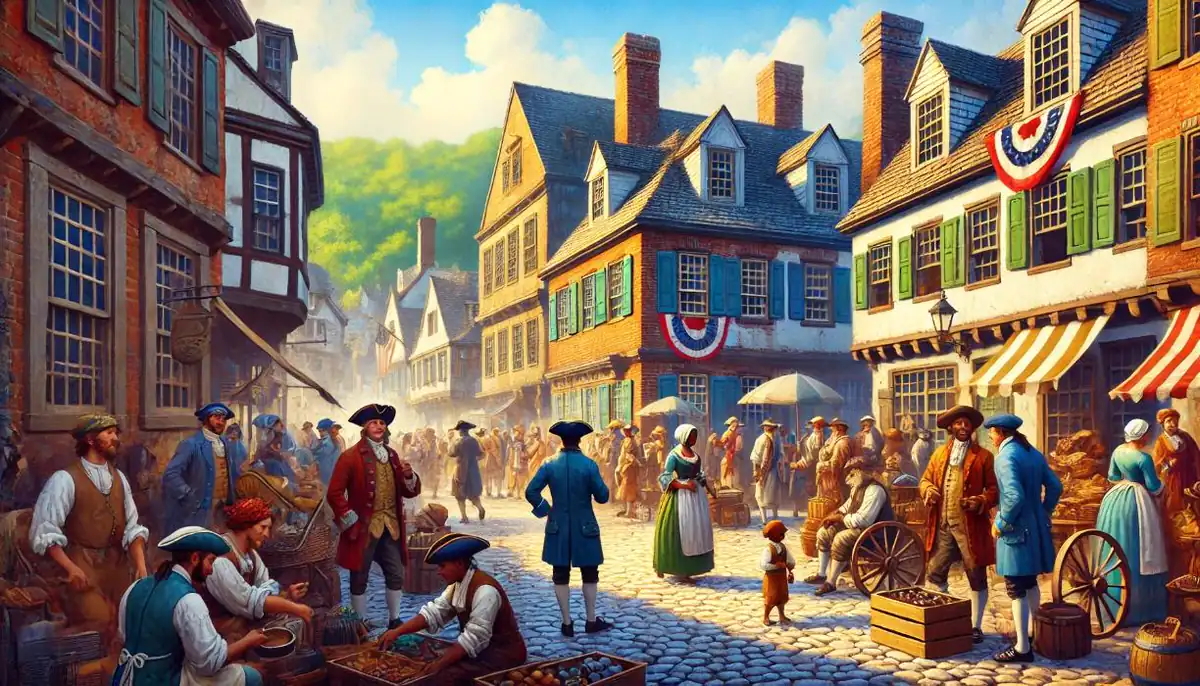
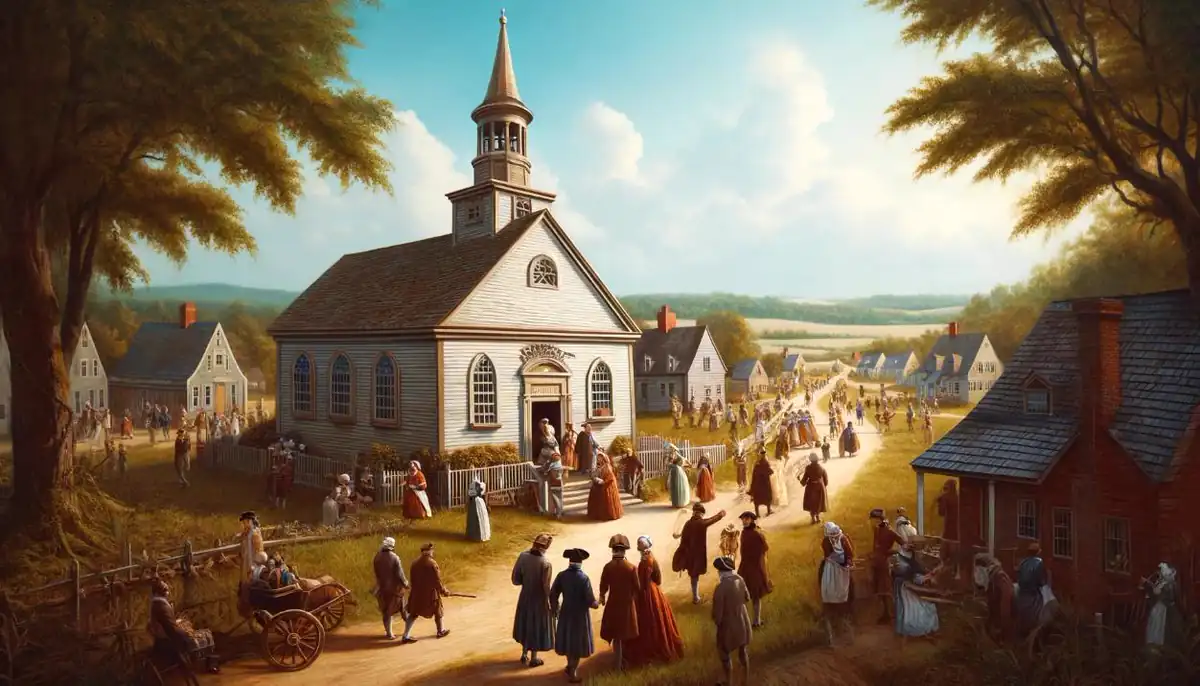
The Colonies That Wrote It Down
- The Maryland Toleration Act "An Act Concerning Religion", 21 September 1649One of the earliest laws in the English colonies protecting freedom of worship, and it protects LESS than it is usually said to. It extends toleration to those "professing to believe in Jesus Christ" — and in the same statute it prescribes DEATH for denying the Trinity. Read the whole act. The Guide is right that it covered only Christians and does not mention the rest.
- The Rhode Island Royal Charter granted by Charles II, 8 July 1663The charter that contains the phrase "a livelie experiment" and provides that no person shall be "molested, punished, disquieted, or called in question, for any differences in opinione in matters of religion". It is genuinely remarkable for 1663. The Guide's claim that the colony guaranteed "complete religious freedom to all, including … even atheists" goes beyond what the document says.
- Roger Williams, "The Bloudy Tenent of Persecution" London, 1644The book that got its author's writings burned by the English Parliament, arguing that civil magistrates have no authority over conscience. Williams was banished from Massachusetts in 1635 for saying so and for saying the colony's land belonged to the people who lived on it. Both arguments are in the book.
- John Winthrop, "A Model of Christian Charity" 1630The source of "a Citty upon a Hill", which this course uses carefully. FOUR THINGS TO KNOW BEFORE QUOTING IT: it was not printed in Winthrop's lifetime; it survives in a manuscript copy; there is no contemporary evidence it was delivered aboard the Arbella, which is how it is always described; and it was not famous until long after 1838, when it was first published. The phrase itself is from Matthew 5.
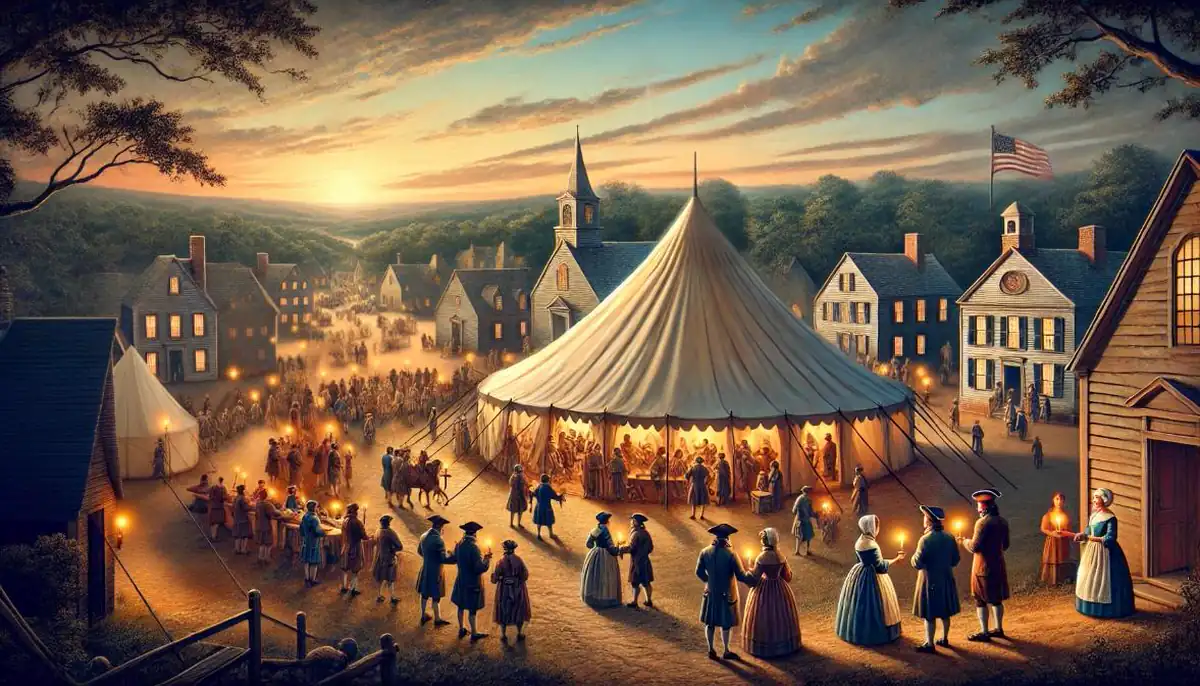
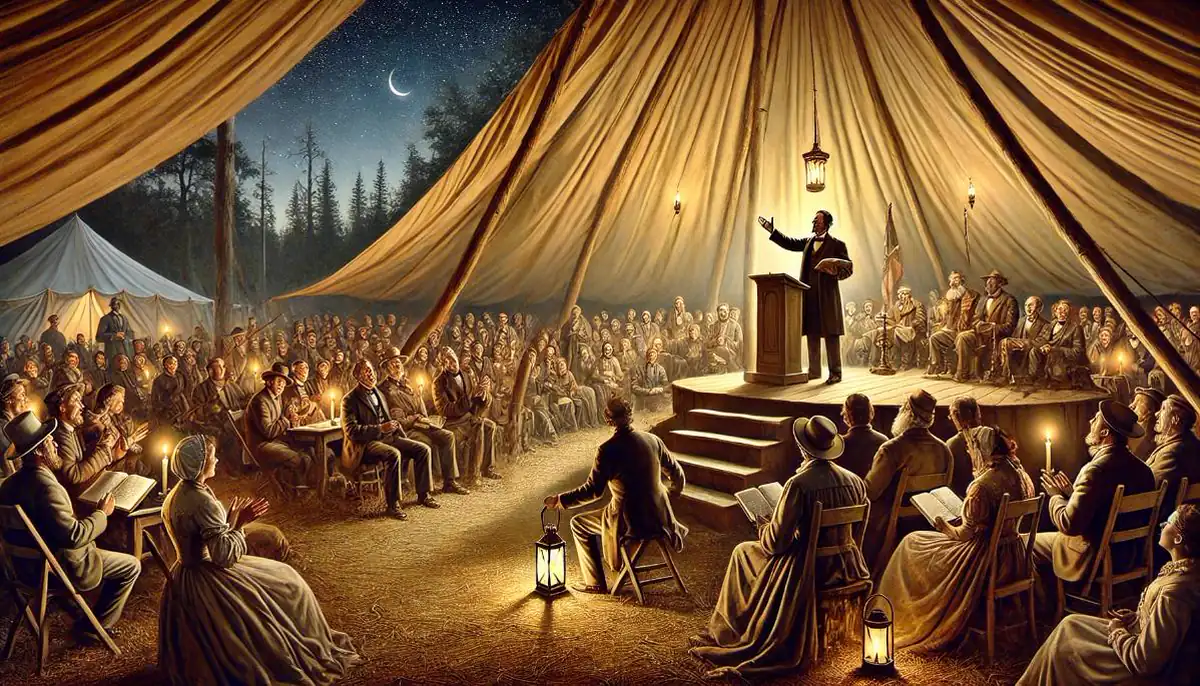
The Awakenings, in Print
- Jonathan Edwards, "A Faithful Narrative of the Surprising Work of God" written 1736, published 1737Edwards's own report of the Northampton revival of 1734–35, written as a letter and published in London. IT IS THE MOST USEFUL EDWARDS TEXT FOR A STUDENT and not the famous one: it is a minister trying to describe and count a religious phenomenon while it is happening, including the conversions he doubted. The Guide names it with the right date.
- Jonathan Edwards, "Sinners in the Hands of an Angry God" preached at Enfield, Connecticut, 8 July 1741The famous one, and shorter than its reputation. Note the date and place: he had preached it at Northampton a month earlier to little effect, and it is the Enfield delivery that is remembered. Edwards read his sermons from a manuscript in a level voice, which is not how it is usually imagined.
- Benjamin Franklin on George Whitefield in the Autobiography, written from 1771A sceptic describing a revival, which makes it the best single piece of evidence for what Whitefield's preaching was like. Franklin printed his sermons, measured how far his voice carried across Philadelphia in order to estimate the crowd, and describes emptying his own pockets into the collection against his intentions. Their friendship lasted thirty years and Franklin never converted.
- Gilbert Tennent, "The Danger of an Unconverted Ministry" preached at Nottingham, Pennsylvania, 8 March 1740The sermon that split the Presbyterians into Old Side and New Side, arguing that an unconverted minister could not convert anybody. It is the clearest statement of what the revival was actually attacking, which was not unbelief but the settled clergy.
Religion and the Revolution, With the Quotations Checked
- Jonathan Mayhew, "A Discourse Concerning Unlimited Submission and Non-Resistance to the Higher Powers" preached Boston, 30 January 1750The sermon that argued from Romans 13 that obedience is owed to rulers who serve the public good and not to tyrants, preached on the anniversary of Charles I's execution. John Adams later called it required reading. IT DOES NOT CONTAIN "DISOBEDIENCE TO TYRANTS IS OBEDIENCE TO GOD", which the Guide attributes to it in quotation marks with the date attached. That epigram belongs to the 1776 Great Seal discussions. Read the actual sermon; the real argument is stronger than the invented line.
- The Virginia Statute for Religious Freedom drafted by Jefferson 1777, enacted 16 January 1786"No man shall be compelled to frequent or support any religious worship, place, or ministry whatsoever." Jefferson put three things on his own gravestone and left the presidency off: the Declaration, the University of Virginia, and this. James Madison carried it through the assembly after Patrick Henry's general-assessment bill failed.
- James Madison, "Memorial and Remonstrance Against Religious Assessments" written and circulated 1785Fifteen numbered paragraphs against a Virginia bill to tax for the support of Christian teachers. It was circulated as a petition and gathered signatures, and it is the document that killed the assessment and cleared the way for the statute above. Madison argued that religion is "wholly exempt from [civil society's] cognizance".
- Washington's letter to the Hebrew Congregation in Newport 18 August 1790THE DOCUMENT NEITHER PRINTED EDITION USES AND BOTH SHOULD. Replying to Moses Seixas, Washington writes that the United States "gives to bigotry no sanction, to persecution no assistance", and that it is not a matter of one class tolerating another. Three hundred and forty words, addressed to a synagogue that still stands.
Faiths Born Here
- The Book of Mormon and the founding record of the Latter-day SaintsBook of Mormon published March 1830; church organised 6 April 1830Whatever a reader concludes about its origin, the documentary record around it is unusually thick for a new religion — printer's manuscripts, witness statements, Joseph Smith's several accounts of the First Vision written between 1832 and 1842, and the newspapers that argued about all of it. A student can compare the 1832 account with the 1838 one.
- Missouri Executive Order 44issued by Governor Lilburn Boggs, 27 October 1838; rescinded 25 June 1976One page, addressed to the commanding general of the state militia, stating that the Mormons "must be treated as enemies, and must be exterminated or driven from the State if necessary for the public peace". READ ITS OWN WORDS. The Guide glosses it as meaning "residents of Missouri could legally kill a member of the religion"; it was a militia order, and the order itself offers driving out as the alternative.
- William Miller's calculations, and the record of the Great Disappointment Miller's lectures from 1831; the date of 22 October 1844Miller worked from the 2,300 days of Daniel 8 and concluded Christ would return between 21 March 1843 and 21 March 1844. THE FINAL DATE OF 22 OCTOBER 1844 WAS NOT HIS — it came from Samuel Snow that summer. What survives afterwards is better than the prediction: letters and diaries of people describing the morning of 23 October, which is a rare chance to read what disappointment actually sounded like.
- Richard Allen's account of leaving St George's, and the founding of the AME Church the walk-out about 1792; Bethel founded 1794; denomination organised 1816Allen tells it himself in his autobiography: he and Absalom Jones were pulled from their knees during prayer in a gallery they had helped to build, and walked out. Bethel followed in 1794 and the African Methodist Episcopal Church in 1816, the first independent Black denomination in the United States. The Guide has this right and does not name the book it comes from.
Pick two or more of these chapters to read.
K–5th Grade
6th–8th Grade
9th–12th Grade
Who Could Become an American, in Four Acts of Congress
- The Naturalization Act of 1790 signed 26 March 1790THE FIRST FEDERAL CITIZENSHIP LAW AND IT IS ABOUT A PAGE. Two years' residence, good character, an oath — and eligibility limited to "any Alien being a free white person". It also provides that children born abroad to citizens are citizens, "Provided that the right of citizenship shall not descend to persons whose fathers have never been resident in the United States". Both halves matter, and the Guide gets both right.
- The Naturalization Acts of 1795, 1798 and 1802 29 January 1795; 18 June 1798; 14 April 1802The residence requirement in twelve years: two years, then five, then fourteen, then five again. The fourteen-year act is one of the four Alien and Sedition statutes and was repealed by the incoming administration. A student who only learns the 1790 figure will not understand why the 1790s felt like a fight about foreigners.
- The Alien and Sedition Acts Naturalization Act 18 June 1798; Alien Friends Act 25 June 1798; Alien Enemies Act 6 July 1798; Sedition Act 14 July 1798FOUR SEPARATE STATUTES AND IT MATTERS TO KEEP THEM APART — the Guide does, which is more than most books manage. The Sedition Act made it a crime to publish "false, scandalous and malicious writing" against the government and carried its own expiry date of 3 March 1801, the last day of Adams's term. The Alien Friends Act let the President deport any non-citizen he judged "dangerous to the peace and safety of the United States". AND THE ALIEN ENEMIES ACT WAS NEVER REPEALED AND IS STILL LAW. The Guide says so correctly.
- The Virginia and Kentucky Resolutions 1798, and the Kentucky Resolutions of 1799The answer to the above, written anonymously by Madison and Jefferson — Jefferson drafting Kentucky's while sitting as Vice President in the administration he was writing against. Read the wording closely: Virginia in 1798 says the states may "interpose"; the word NULLIFICATION appears in the Kentucky Resolutions of 1799.
The Counting, and Why It Starts in 1820
- The Steerage Act "An Act regulating passenger ships and vessels", 2 March 1819THE GUIDE CALLS THIS "THE IMMIGRATION ACT OF 1819", WHICH IS NOT ITS NAME, and then describes it accurately. It limited ships to two passengers for every five tons burden, required fixed quantities of water, bread and provisions per passenger, and — the part that outlives the rest — required masters to deliver a manifest of every passenger's name, age, sex, occupation and country to the customs collector, to be forwarded to the Secretary of State and reported to Congress every year. AMERICAN IMMIGRATION STATISTICS BEGIN IN 1820 BECAUSE OF THIS ACT. Every number in this week rests on it.
- The passenger manifests and the federal census manifests from 1820; census from 1790, with birthplace asked from 1850Two series that answer different questions. The manifests are arrivals; the census is who was here. THE 1850 CENSUS IS THE TURNING POINT for this week, because it was the first to record every free person by name and to ask where each was born, which means the immigrant population of 1850 can be counted rather than estimated.
- Henderson v. Mayor of the City of New York 92 U.S. 259 (1875)The case that ended state control of immigration by striking down New York's head tax on arriving passengers as an interference with commerce, and the reason there is federal machinery afterwards — the Immigration Act of 1882, and eventually Ellis Island in 1892. The Guide has this right. Note the date against Castle Garden's: New York's own depot opened 1 AUGUST 1855 and there was nothing at all before that.
Why They Left, in Their Own Records
- The Irish famine recordblight first reported autumn 1845; excess mortality and emigration to 1852Not opinions but returns: the Poor Law Union minute books, the workhouse admission registers, the relief commission papers, the export figures showing grain leaving Irish ports, and the passenger lists at the other end. About a million people died and about a million left. THE GUIDE'S ACCOUNT OF THE POLICY FAILURE IS SOBER AND ACCURATE, which is not easy on this subject.
- The Forty-Eighter record the German revolutions of 1848–49 and the emigration that followedAssembly proceedings from the Frankfurt Parliament, the warrants and amnesty lists of the states that put the risings down, and then the German-language newspapers the exiles founded in Cincinnati, Milwaukee and St Louis. Carl Schurz is the best-documented of them and wrote a three-volume memoir.
- The Trans-Atlantic passage accountsship's articles, brokers' advertisements and passage contracts, 1820s–1850sHow anybody actually paid: the advertisements in Irish and German papers, the prepaid tickets sent home by relatives already arrived, the remittance records of the emigrant banks, and the indenture-style labour contracts that persisted after indentured servitude proper had ended. THE GUIDE'S CHAPTER ON THIS IS GOOD and its list of seven methods is worth keeping.
The Argument About Newcomers, From Both Sides
- Samuel F. B. Morse, "Imminent Dangers to the Free Institutions of the United States through Foreign Immigration" published 1835, under the name "Brutus"The inventor of the telegraph making the nativist case in print, and the reason a student should read it rather than a summary of it: it argues that Catholic immigration is an organised foreign design on American institutions, and it names the mechanism it fears. Morse stood for mayor of New York on a nativist ticket in 1836 and again in 1841 and lost both times. His companion volume is "A Foreign Conspiracy Against the Liberties of the United States", also 1835.
- Lyman Beecher, "A Plea for the West" 1835The other main nativist text of that year, by a Presbyterian minister who is also this book's leading temperance reformer in chapter 13 — the same man, in two chapters, and the Guide never says so. WATCH THE CALENDAR AROUND IT: Beecher preached anti-Catholic sermons in Boston in early August 1834, and the Ursuline Convent in Charlestown was burned by a mob on 11 August 1834.
- The American Party platform and the Order of the Star-Spangled Banner the order from 1849; the party's national platform 1856The Know-Nothings in their own words rather than in caricature: a twenty-one-year naturalisation period, offices for the native-born, and Bible reading in the public schools. In 1856 their candidate MILLARD FILLMORE — the Living edition's chapter 18 narrator, and a former President — took 21.5 per cent of the popular vote and carried one state. The Guide gives the vote share correctly.
- Abraham Lincoln to Joshua Speed 24 August 1855THE ANSWER TO THE ABOVE, WITH A DATE ON IT, AND THE GUIDE LISTS LINCOLN IN THIS CHAPTER WITHOUT USING IT. "As a nation, we began by declaring that 'all men are created equal.' We now practically read it 'all men are created equal, except negroes.' When the Know-Nothings get control, it will read 'all men are created equal, except negroes, and foreigners, and catholics.'" It is a private letter to a slaveholding friend, which is part of why it is worth reading whole.
What comes with the book
The Ultimate Guide
The textbook itself — the eighteen chapters these lessons are built from.
Living History
The Early U.S. Melting Pot — Told By Those Who Were There. The Heroes & Villains series, in the first person.
The Adventure Box
Cards, lesson plans, activities, coloring pages and the craft kit for this era.