
Sculpt a Colossal HeadAges 8–14
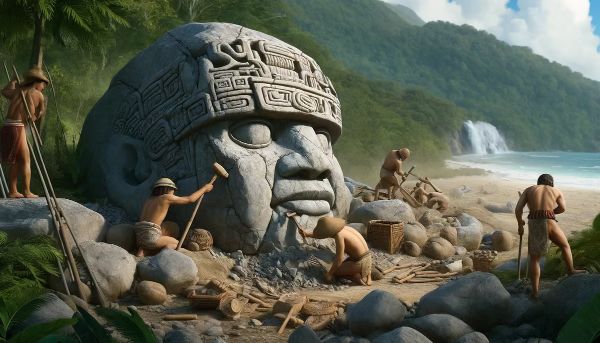
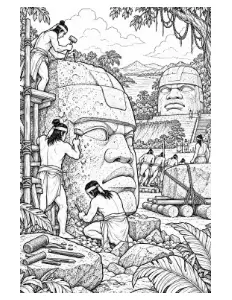
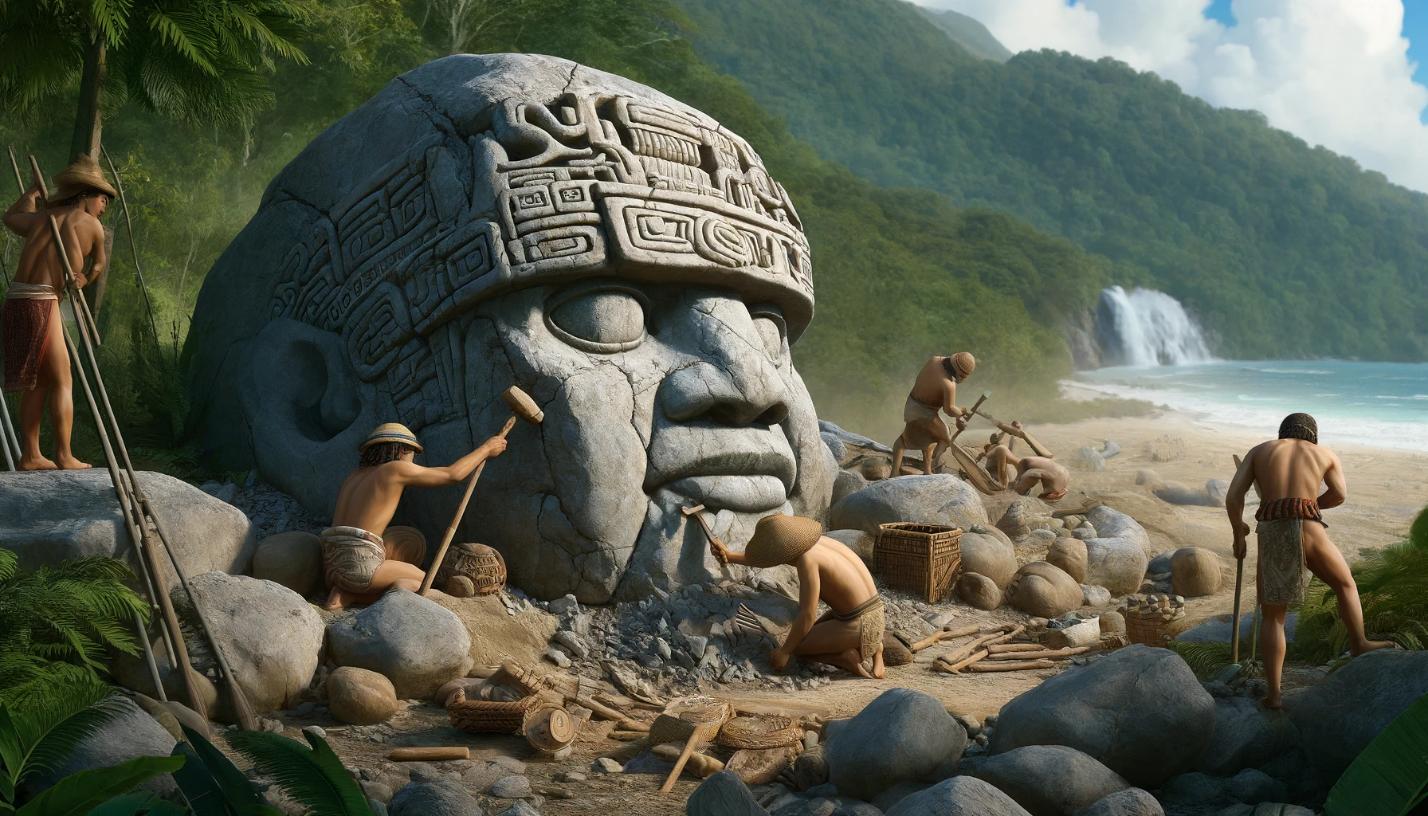
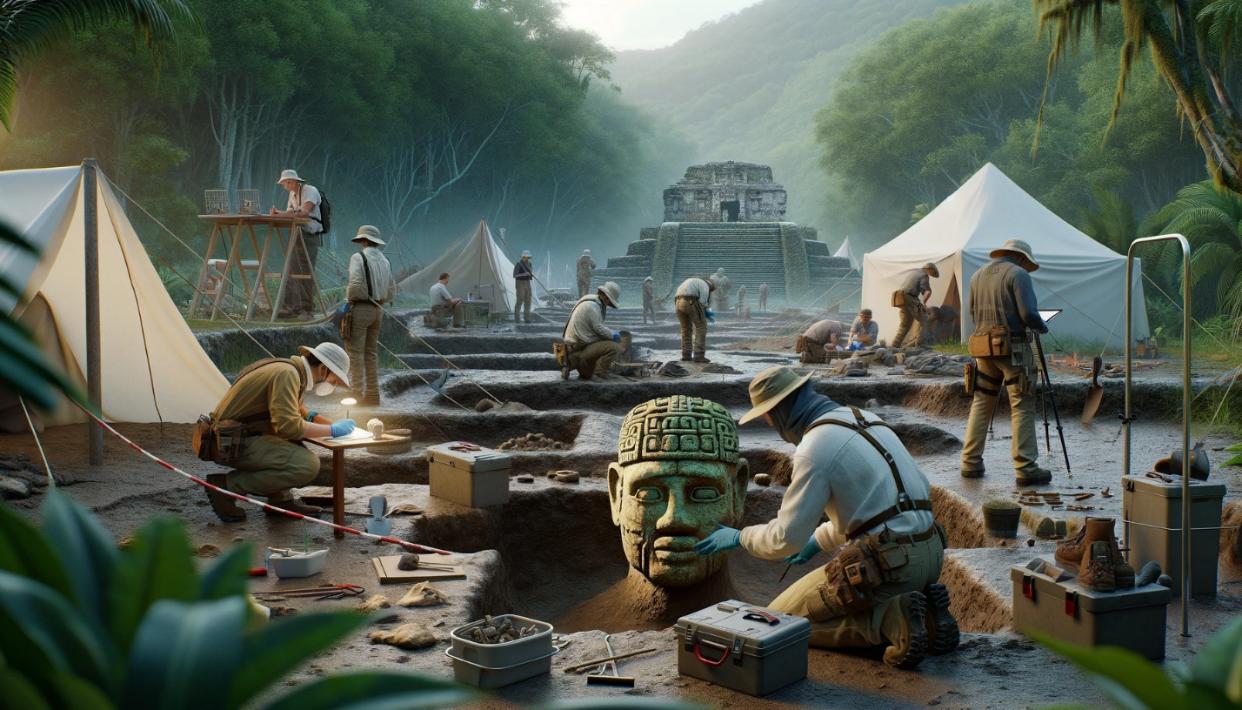
Model an Olmec head in clay, copying the distinctive helmet and features from photographs. Then calculate: a real head weighs up to forty tons and the nearest basalt was about fifty miles away. How would you move it?
Why it is worth doing. Students confront a genuine engineering problem solved without wheels or draft animals.
Objective
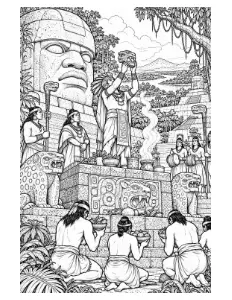
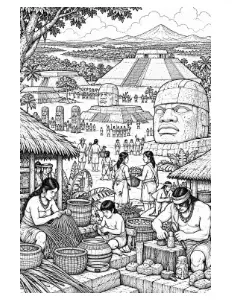
To help students understand the significance of the Olmec colossal head sculptures, and appreciate the artistry and engineering skills involved.
Materials Needed
- Clay or playdough
- Sculpting tools (e.g., plastic knives, toothpicks)
- Images of Olmec colossal heads, for reference
- Poster board or cardboard, for display
Instructions
- Introduction: Begin with a brief discussion about the Olmec civilization and the significance of the colossal head sculptures. Show students images of the heads and explain their possible meanings.
- Sculpting: Provide each student with a lump of clay or playdough. Encourage them to sculpt their own version of a colossal head. They can use sculpting tools to add details such as facial features and decorations.
- Display: Once the sculptures are complete, let them dry (if using air-dry clay). Have students display their sculptures on a poster board or cardboard, along with a brief description of what their sculpture represents.
Learning Outcome
Students confront a genuine engineering problem solved without wheels or draft animals.