History Curriculum/Book 1
Book one of the curriculum
The History of Ancient America
The first book in the curriculum. Sixteen chapters across four weeks, from the peoples of the Arctic to the Caribbean islands Columbus sailed into.
Read the book
Turn the pages of both editions right here. Everyone can read Chapter 2, The Arctic Culture, up to the first page of Chapter 3; subscribers and Adventure Box Course families can read every page.
Free sample: Living History pages 21–40, Standard Book pages 53–65.
4 Weeks, 16 Chapters, Choose 7+ to Read
Pick the chapters you want to read each week. The living books and the sources are one click away.
Pick two or more of these chapters to read. Finish two of the ones you choose to open Week 2.
 Chapter 1
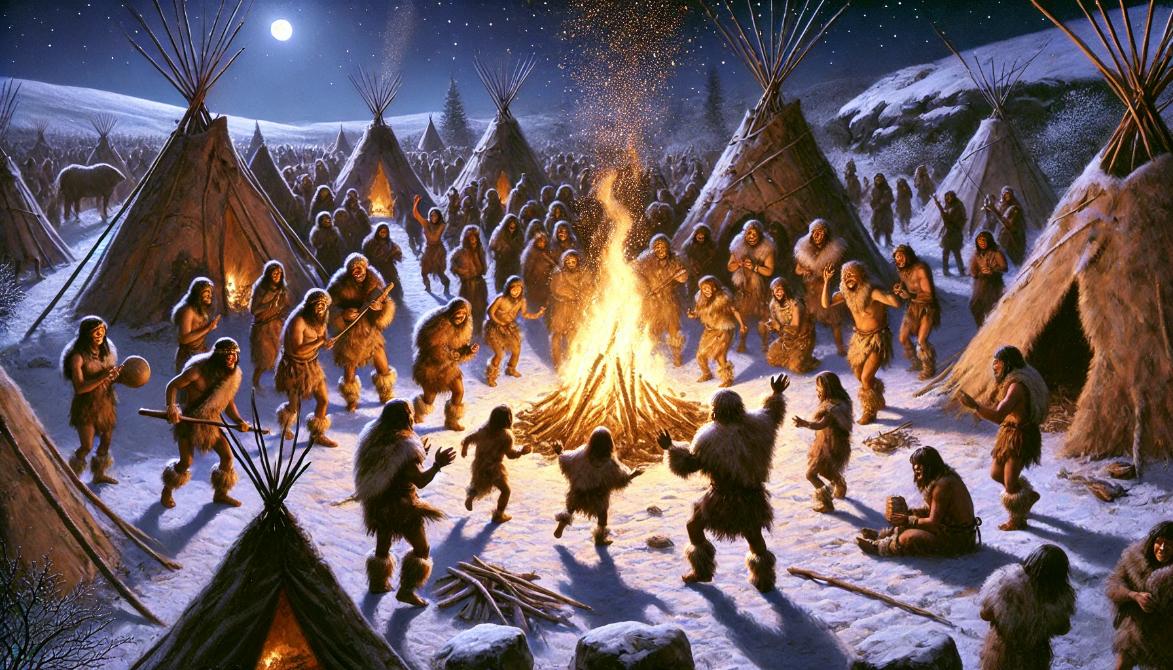
Paleo-Indian Culture
⭐ Members' chapter
Open lesson →
Extra reading — not one of the week's picks
K–5th Grade
6th–8th Grade
Traditional Narratives and Oral Histories
- American Indian Myths and Legends Richard Erdoes and Alfonso OrtizA respected collection of traditional tales from tribes across North America, compiled from oral histories.
- Creation Myths of Primitive America Jeremiah Curtin (1898)Early collection of Native narratives from California and the Pacific Northwest, recorded by a folklorist from Native storytellers.
- In the Words of Elders: Aboriginal Cultures in Transition Kulchyski, McCaskill and NewhouseA modern collection of interviews and narratives from Native elders, especially Inuit and northern cultures.
- The Book of the Hopi Frank Waters, with Oswald White Bear FredericksA transcription of Hopi oral tradition, cosmology and cultural practice from a respected Native source.
Archaeological and Anthropological Reports
- Poverty Point: A Terminal Archaic Culture of the Lower Mississippi Valley Jon L. GibsonOne of the definitive archaeological studies of Poverty Point, with firsthand excavation data.
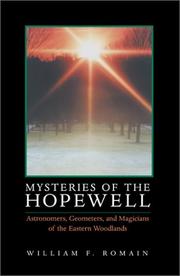
- The Mound Builders: Ancient Peoples of Eastern North America George R. MilnerArchaeological evidence on the Adena and Hopewell, including excavation detail and mound mapping.
- Hopewell Ceremonial Landscapes of Ohio National Park ServiceAvailable as a PDF from the NPS — modern research with Indigenous consultation.
- The Eskimo About Bering Strait Edward W. Nelson (Smithsonian, 1899)A classic ethnographic primary source from late 19th-century observation and dialogue with Inuit communities.
- Hunters of the Northern Ice Richard K. NelsonEthnographic narrative from fieldwork with Alaskan Iñupiat in the 1960s–70s.
Government and Institutional Archives
- American Memory Project Library of Congress"Indian Tribal Histories" and the Edward Curtis Collection.
- National Museum of the American Indian Smithsonian InstitutionCollections, exhibits and community voices.
- Bureau of American Ethnology Annual Reports (1879–1965) SmithsonianMany are digitised on archive.org and the Smithsonian's site.
Historic Maps and Visual Sources
- Early Maps of the Americas Library of Congress Digital CollectionsMaps showing tribal boundaries and archaeological sites.
- The Curtis Collection Edward S. Curtis, 1900–1930Photographs and recordings.
Scholarly Compilations of Native Texts
- Native American Testimony: A Chronicle of Indian-White Relations Peter NabokovFrom prophecy to the present.
- Treaties Between the United States and Native American Nations Avalon Project, Yale Law SchoolFull treaty texts.
Pick two or more of these chapters to read. Finish two of the ones you choose to open Week 3.
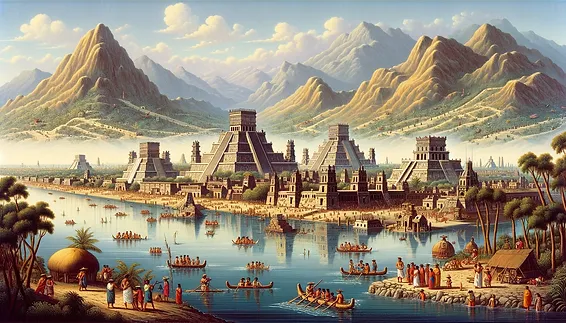
K–5th Grade
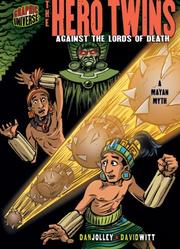
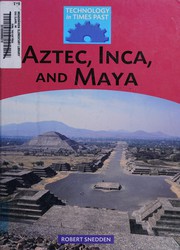
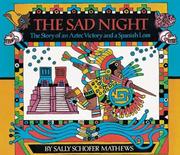
6th–8th Grade
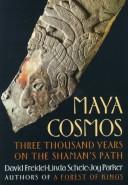
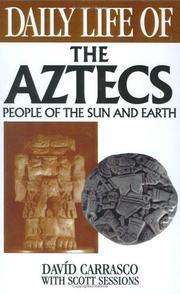
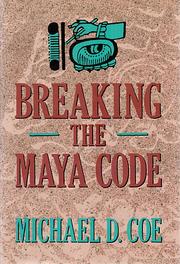
Mesoamerican Codices — surviving Indigenous books
- Codex Mendoza (c. 1541) AztecRichly illustrated, created after the conquest to explain Aztec culture to Spanish officials: daily life, tribute, conquests, education and ritual. Digital facsimile at the Bodleian Library, Oxford.
- Codex Borgia Likely pre-ColumbianOne of the most beautiful and complex Mesoamerican codices — religion, calendar, gods, omens and rituals.
- Dresden Codex MayaA pre-Columbian Maya book that survived Spanish destruction: astronomy, almanacs, rituals and eclipse predictions.
Inscriptions and Stelae
- Maya Hieroglyphic Text DatabaseMHTDA project collecting translations and glyphs from monuments.
- Copán and Palenque inscriptionsVarious epigraphersMany monuments have been translated and are available in museum archives and journals.
Colonial Transcriptions of Indigenous Histories
- Popol Vuh K'iche' MayaThe sacred book of the K'iche' Maya — creation myth, the Hero Twins and early history, written down in Latin script.
- The Annals of the Cakchiquels Cakchiquel MayaHistorical and mythological account offering insight into politics and the Spanish conquest.
- Florentine Codex Fray Bernardino de Sahagún with Nahua informantsCompiled after the conquest.
- Relación de las Cosas de Yucatán (1566) Diego de LandaThe Franciscan bishop's record of Maya custom, ritual, calendar and writing, written about 1566.
Archaeology and Epigraphy Databases
In Their Own Words
- The Broken Spears: The Aztec Account of the Conquest of Mexico Miguel León-PortillaThe conquest told from the Mexica side.
Pick two or more of these chapters to read. Finish two of the ones you choose to open Week 4.
6th–8th Grade
9th–12th Grade
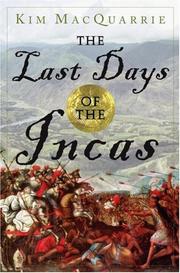
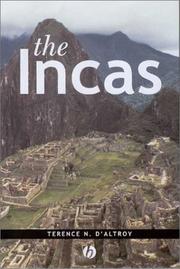
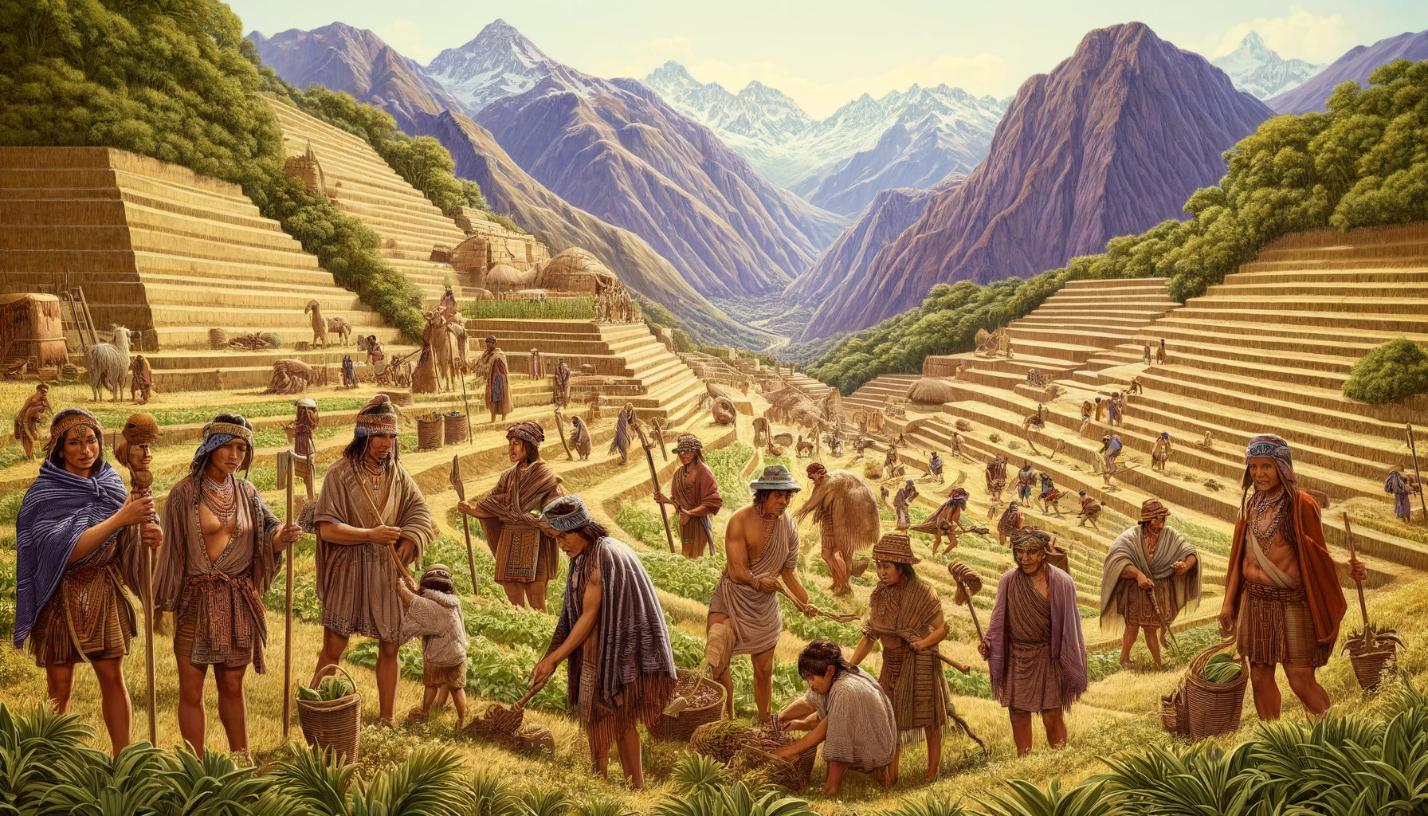
Quechua and Inca Empire Primary Sources
- The Huarochirí Manuscript (c. 1608)QuechuaAndean mythology, religious practice and oral tradition compiled by Indigenous writers. Translated by Frank Salomon and George L. Urioste.
- Nueva Corónica y Buen Gobierno (1615) Felipe Guamán Poma de AyalaA firsthand Indigenous account of Inca society and the early colonial period.
- Relaciones Geográficas del Perú (1570s–90s)Spanish colonial questionnairesAnswered by local Indigenous leaders and scribes across Peru. Latin American Library, Tulane.
Inca Oral Histories Preserved by Spanish Chroniclers
- Royal Commentaries of the Incas (1609)Garcilaso de la VegaWritten by a man of both Inca and Spanish descent.
- History of the Incas (1572)Pedro Sarmiento de GamboaCommissioned by the Spanish Crown, from native informants. Translated by Brian S. Bauer and Vania Smith.
Mapuche and Southern Tribes
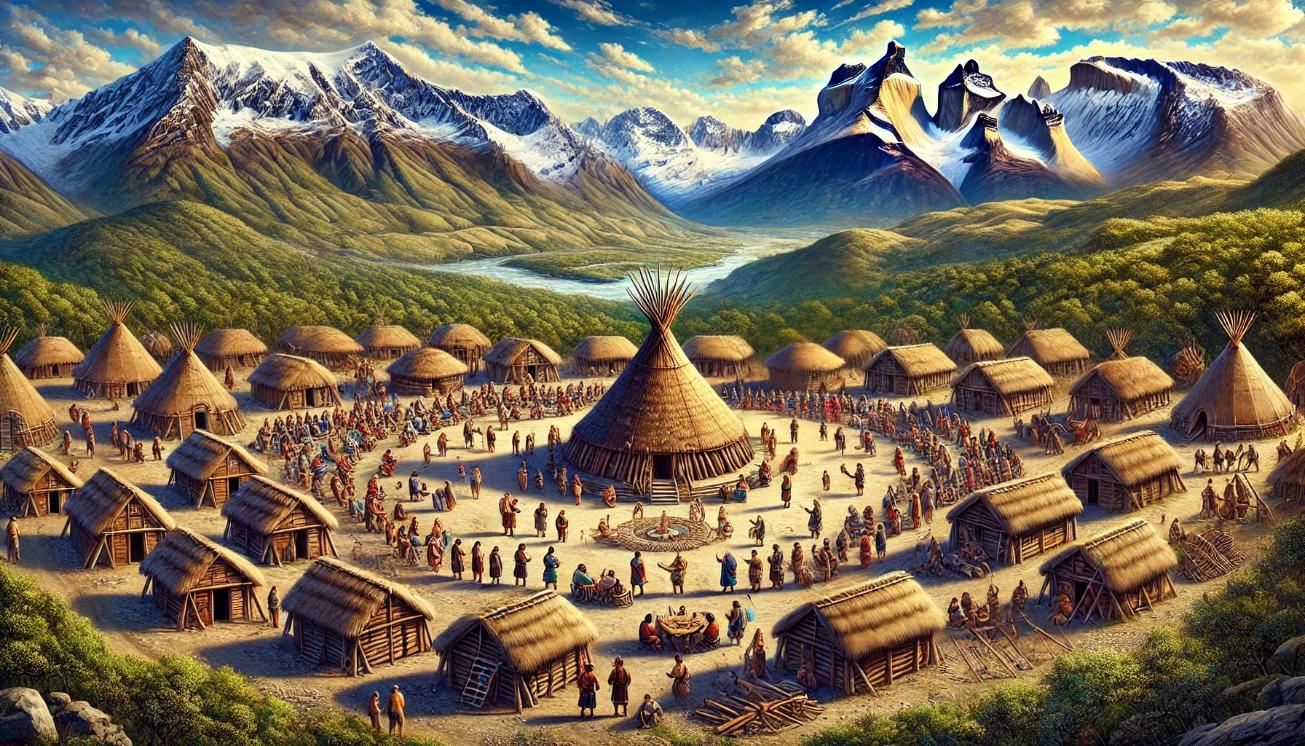
- Chronicles from the Arauco War (16th–18th c.)Spanish military and missionary writersAccounts of their long conflict with the Mapuche.
- Testimony from Mapuche oratorsModern transcription of oral traditionPreserves Mapuche worldview, cosmology and political strategy.
Caribbean and Amazonian Sources
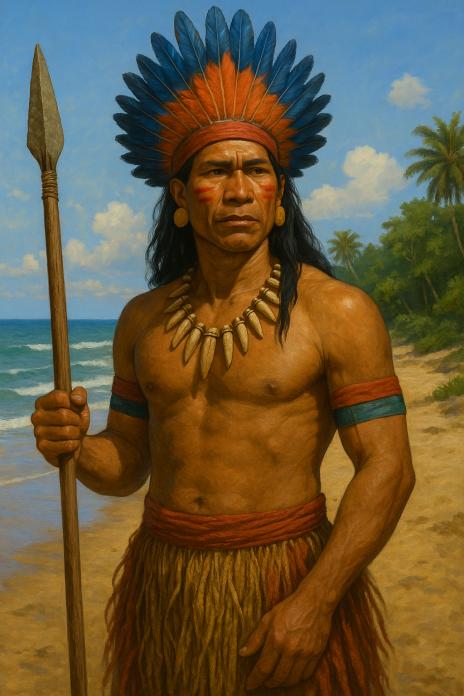
- Christopher Columbus's Journals (1492–93)Preserved in the abstract made by the friar Bartolomé de las Casas; the earliest written descriptions of the peoples of the Caribbean.
- Apologética Historia SumariaBartolomé de las CasasLas Casas's description of the peoples of the Indies — their customs, religion and government.
- True History (1557)Hans StadenA German explorer's account of captivity among the Tupinambá of Brazil.
- Report of the Discovery of the Amazon (1542)Father Gaspar de CarvajalDetails cultures along the Amazon River.
Archaeology as Primary Evidence
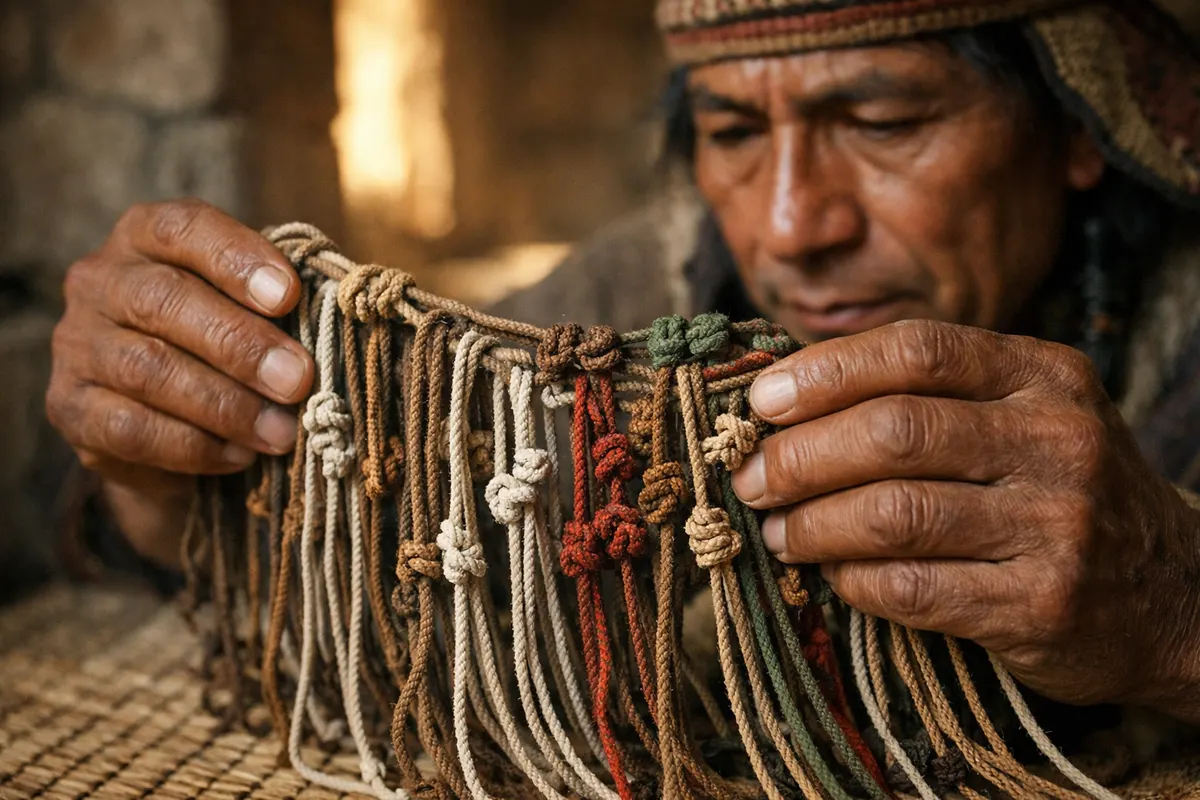
- Quipus (khipus) Inca knotted-string recordsResearch by Gary Urton and Harvard's Khipu Database Project.
- Chavín temple carvings, Tiwanaku monoliths, Wari urban plansVisual and architectural texts. British Museum; Museo Larco, Lima.
Digitised Repositories
- Latin American Digital Initiatives (LADI) Colonial-era Indigenous and Afro-Latin American documents.
- Handbook of South American Indians (1946–51) Library of CongressDigitised on archive.org — maps, linguistic studies and primary data.
Pick at least one of these chapters to read.
K–5th Grade
6th–8th Grade
Primary Eyewitness Accounts
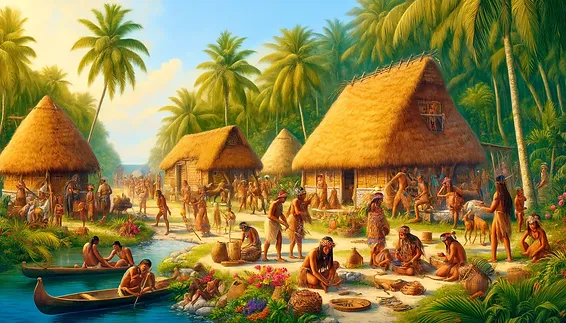
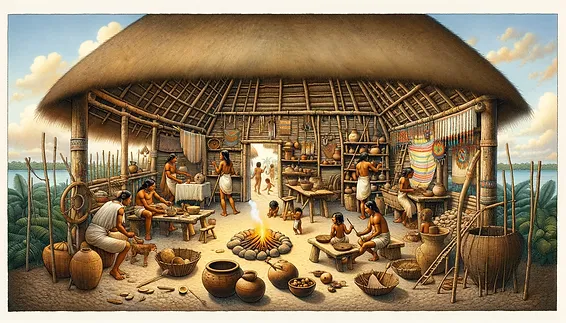
- The Diario of Christopher Columbus's First Voyage (1492–93)trans. Oliver Dunn and James E. KelleyThe daily log of the first voyage, preserved in Las Casas's abstract, and the first written account of the Taíno.
- A Short Account of the Destruction of the Indies (1542)Bartolomé de las CasasA Spanish Dominican friar who documented and defended the rights of the Taíno.
- De Orbe Novo (1511–1530)Peter Martyr d'AnghieraAn Italian historian at the Spanish court who collected interviews and letters from explorers.
Archaeological Evidence
- Caguana Ceremonial Ball Courts, Puerto RicoA major Taíno site — primary evidence of cosmology, stone carving and ball games.
- Taíno zemis (religious sculptures)Cuba, Hispaniola, Puerto RicoMany held by the Smithsonian and the British Museum.
Oral Histories and Descendant Communities
- Contemporary Taíno and Kalinago communitiesDescendant communities in Puerto Rico, Cuba and the Dominican Republic, and the Kalinago Territory in Dominica.
- Histoire Générale des Antilles (1654–71)Jean-Baptiste du TertreA French missionary account of Kalinago custom and belief.
Linguistic and Ethnographic Sources
- Account of the Antiquities of the IndiansRamón PanéThe Spanish friar who lived among the Taíno and compiled their beliefs and vocabulary — the first book written in the Americas by a European.
- Taíno: A NovelJosé BarreiroIncludes cultural footnotes from actual oral tradition.
Museums and Digital Archives
- Digital Library of the Caribbean (dLOC) Scanned manuscripts, maps and articles.
- Caribbean Indigenous Legacies Project NMAI, SmithsonianArchaeology, oral tradition and descendant community voices.
- Museo del Hombre DominicanoSanto DomingoOriginal Taíno artifacts, bones and sculpture.
What comes with the book
The Ultimate Guide
The textbook itself — the sixteen chapters these lessons are built from.
Living History
Ancient America — Told By Those Who Were There. The Heroes & Villains series, in the first person.
The Adventure Box
Cards, lesson plans, activities, coloring pages and the craft kit for this era.